






Not every roof problem starts with rain getting in from outside. In humid climates like New Orleans, a roof deck can rot from the inside out due to condensation forming on its own underside, with no leak involved at all.
This kind of moisture damage develops slowly and often goes unnoticed until insulation feels damp, wood begins to smell musty, or mold appears on the underside of the deck. Understanding how condensation forms and how to manage it protects the roof structure long before any visible symptoms show up.
Because the damage happens gradually and out of sight, it often gets discovered during an unrelated roof inspection or a renovation project, rather than through any obvious warning sign from inside the living space.
How Does Condensation Form Under a Roof Deck?
Condensation occurs when warm, moisture-laden air contacts a cooler surface, such as the underside of a roof deck on a humid night, causing water vapor in the air to condense into liquid droplets. In a humid climate, indoor air often carries significant moisture, and if that air reaches the attic space and meets a cold roof deck surface, condensation forms directly on the wood.
This process repeats night after night during humid weather, and each cycle adds a small amount of moisture to the wood sheathing and any nearby insulation. Over months or years, that repeated moisture exposure is enough to promote rot, mold growth, and eventual structural weakening of the deck, even without a single drop of rainwater entering the building.
Why Do Humid Climates Make This Worse?
New Orleans and similar Gulf Coast climates combine high ambient humidity with significant temperature swings between day and night, creating frequent conditions where the dew point is reached on cooler roof deck surfaces. This is a different challenge than the freeze-thaw condensation issues more common in colder climates, but it’s no less damaging to the roof structure over time.
Air conditioning adds another layer to the problem. A home cooled aggressively during summer creates a larger temperature difference between conditioned indoor air and the hot, humid attic space, which can increase condensation risk if air leaks allow conditioned air to escape into the attic through ceiling penetrations.
The Role of Vapor Barriers and Air Sealing
A properly placed vapor barrier controls where moisture is allowed to pass through the building assembly, while air sealing prevents humid air from reaching the attic space in the first place through gaps and penetrations. These two strategies work together, and getting the vapor barrier placement wrong for a given climate can actually trap moisture rather than control it.
In hot, humid climates, vapor barrier placement follows different rules than in cold climates, since the direction of vapor drive, the movement of moisture through materials toward drier air, reverses seasonally. A vapor barrier installed based on cold-climate assumptions can trap moisture inside wall or roof assemblies in a Gulf Coast climate, which is why local expertise matters more here than following generic national guidance.
How Does Ventilation Fit Into Moisture Control?
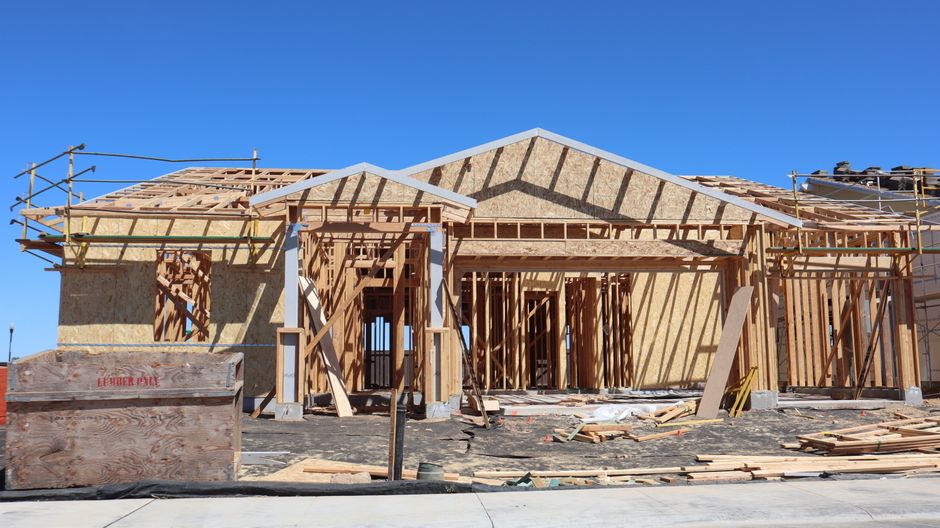
Proper attic ventilation removes humid air before it has a chance to condense on the roof deck, working alongside vapor barriers and air sealing rather than replacing the need for them. A well-ventilated attic keeps the space closer to outdoor temperature and humidity levels, reducing the temperature gradient that drives condensation in the first place.
This is one of several reasons balanced intake and exhaust ventilation matters beyond simply cooling the attic in summer. An attic that moves air efficiently year-round has fewer opportunities for moisture to linger and condense on cold surfaces, including the underside of the roof deck itself.
Signs of Existing Condensation Damage
Musty odors in the attic, dark staining on the underside of the roof deck, damp or matted insulation, and visible mold growth are all signs condensation has already been affecting the roof structure. These symptoms can be mistaken for a roof leak, which sometimes leads homeowners to have the roof surface inspected while the actual problem lies in the attic’s moisture balance.
A thorough evaluation should distinguish between leak-related moisture, which tends to follow a specific path from a point source, and condensation-related moisture, which typically appears more evenly distributed across the deck. Getting this distinction right affects what kind of repair actually solves the problem.
Homeowners sometimes replace roofing material to address what they assume is a leak, only to find the same staining or musty smell return afterward. When the underlying cause is condensation rather than a breach in the roofing material, replacing shingles or membrane without correcting the attic’s moisture balance leaves the actual problem untouched.
Practical Steps to Reduce Roof Deck Condensation
Reducing condensation risk usually involves a combination of air sealing ceiling penetrations, confirming adequate and balanced attic ventilation, and verifying insulation is installed correctly without gaps that allow warm air to bypass it. No single fix addresses every case, since the right combination depends on the specific home’s construction and attic configuration.
A practical starting checklist includes:
- Sealing gaps around recessed lighting, attic hatches, and plumbing or electrical penetrations
- Confirming soffit and ridge or exhaust vents are unobstructed and properly balanced
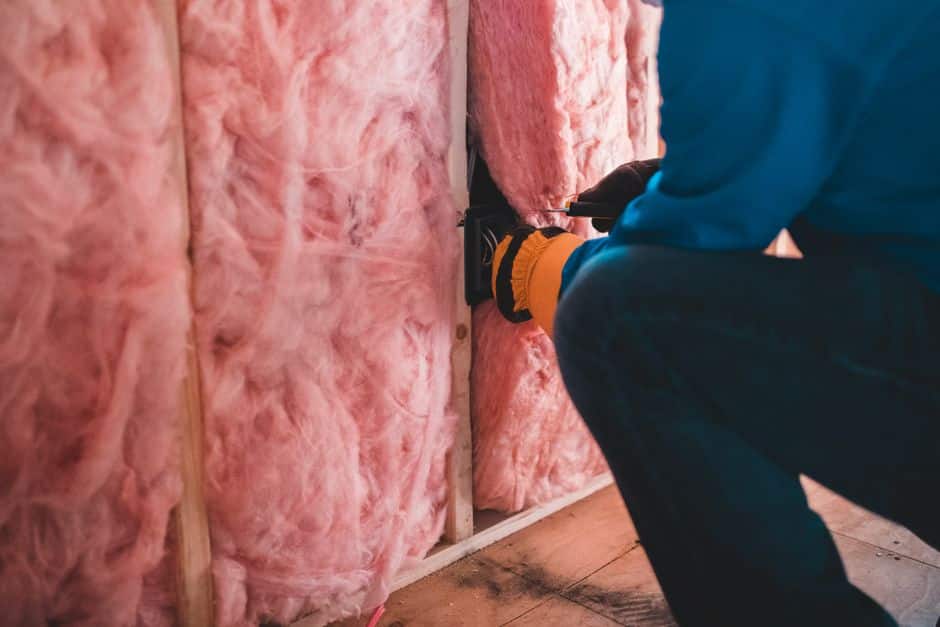
- Checking insulation for even coverage without compression or gaps near the eaves
- Inspecting bathroom and kitchen exhaust fans to confirm they vent outside, not into the attic
- Scheduling a professional evaluation if musty odors or visible moisture appear
TurnKey Roofing Contractors evaluates attic ventilation and moisture conditions as part of a full roof inspection across the New Orleans area, looking beyond the shingles to the deck and attic space underneath.
If you’ve noticed musty odors, damp insulation, or staining in your attic without an obvious leak, request a free estimate and the team can evaluate what’s actually happening.
Frequently Asked Questions
Can a Roof Deck Rot Without Any Leak Present?
Yes. Condensation forming on the underside of the deck from humid indoor or attic air can cause rot over time, even when the roofing material itself is completely intact and no rainwater is entering the structure.
Why Do Bathroom Exhaust Fans Matter for Roof Condensation?
Exhaust fans that vent into the attic instead of outside the home dump humid air directly into the roof structure, significantly increasing condensation risk. Confirming these fans terminate outside is a simple but important check in humid climates.
Does More Insulation Always Reduce Condensation Risk?
Not automatically. Insulation reduces heat transfer but doesn’t address moisture movement on its own, and gaps or compressed insulation can leave cold spots where condensation still forms. Proper installation and air sealing matter as much as insulation quantity.
How Is Condensation Damage Different From Leak Damage?
Condensation-related moisture tends to appear more evenly distributed across the roof deck, while leak-related moisture typically follows a specific path from a single point source. An experienced inspector can usually distinguish between the two patterns during an evaluation.
Does Vapor Barrier Placement Matter in Humid Climates?
Yes, significantly. Vapor drive direction reverses between hot-humid and cold climates, so a vapor barrier placed according to cold-climate standards can trap moisture inside a Gulf Coast home’s roof or wall assembly instead of controlling it.
Can Roof Ventilation Alone Solve a Condensation Problem?
Ventilation helps but usually isn’t sufficient by itself. Air sealing to prevent humid air from reaching the attic, along with properly installed insulation, typically needs to work alongside ventilation for effective, lasting condensation control.
Get Your Attic Moisture Problem Diagnosed Correctly
Catching condensation early protects the roof deck and the structure underneath it long before a leak ever appears. TurnKey Roofing Contractors evaluates attic moisture and ventilation together as part of a full roof inspection across the New Orleans area.
Noticing musty odors or damp insulation? Contact us or call 504-688-7397 for a free estimate.