Turnkey Roofing Contractors
  Sep 10, 2026
How Professional Roof Inspections Work
Read More


Residential License # 890459
Commercial License # 3667

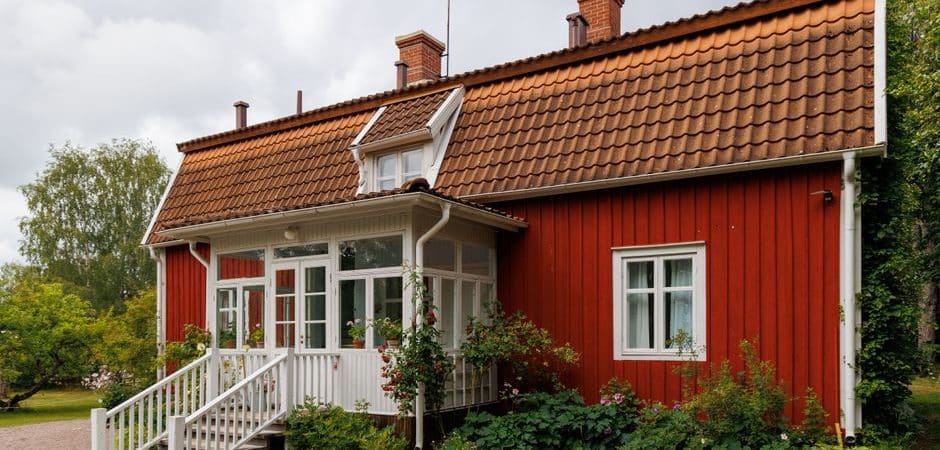
Fascia and soffit rarely get attention until they start falling apart. These two components run along the edge of every roof, and damage to either one is often the first visible clue that something bigger is happening above the roofline.
Fascia is the vertical board that runs along the roof’s edge, holding gutters in place and capping the ends of the rafters. Soffit is the material underneath, covering the eaves and the underside of the overhang. Together they close off the gap between the roof and the exterior walls while allowing attic air to move through vent openings. When either one fails, water and pests get a direct path into the structure.
Most homeowners never think about fascia or soffit until they spot a sagging panel or notice a gutter pulling away from the roofline. By that point, the damage has usually been developing for a while, quietly working its way toward the roof deck and rafter tails underneath.
Fascia and soffit sit at the lowest point of the roof system, so they catch runoff, wind-driven rain, and standing moisture before anything else does. Gutters mount directly to the fascia board, and a clogged or overloaded gutter puts constant water pressure on that wood or composite surface. Over time, paint blisters, wood softens, and nails start to pull loose.
Soffit takes damage from a different direction. It sits underneath the eave, so it absorbs humid attic air pushing outward and rain blown up from below during storms. In a Gulf Coast climate, that combination speeds up rot in wood soffit and causes vinyl panels to warp or crack at the seams.
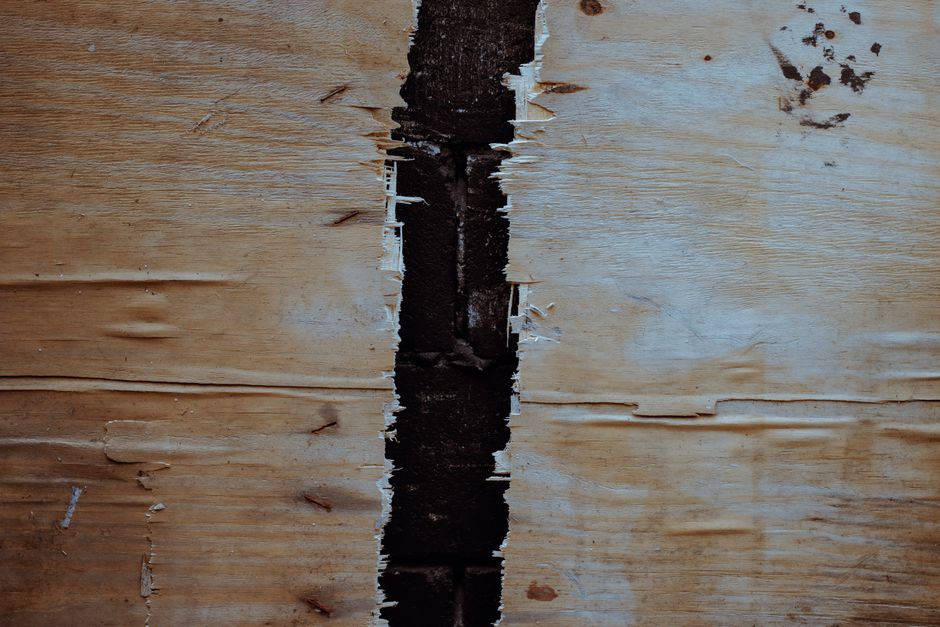
Look for peeling paint, soft or spongy wood, dark streaking below the gutter line, and gutters that have started to pull away from the roof edge. Any of these point to moisture getting behind the fascia board rather than running off it.
A few specific signs worth checking from the ground or a ladder:
Wood fascia that has softened usually needs full board replacement, not a patch. Aluminum-wrapped fascia can hide rot underneath for months, so a dent or a loose seam is worth a closer look even if the metal itself looks fine.
Sagging panels, visible daylight through vent openings, water stains on the underside of the eave, and small holes chewed by wildlife are the clearest signs soffit needs attention. Vinyl soffit that has cracked at the locking edges will often flap in wind, which is both a noise complaint and an open invitation for moisture.
Soffit ventilation matters as much as the panel material itself. If soffit vents are painted over, blocked by insulation, or clogged with debris, attic airflow drops and humidity builds up. That trapped moisture can rot the roof deck from underneath even when the shingles above look fine.
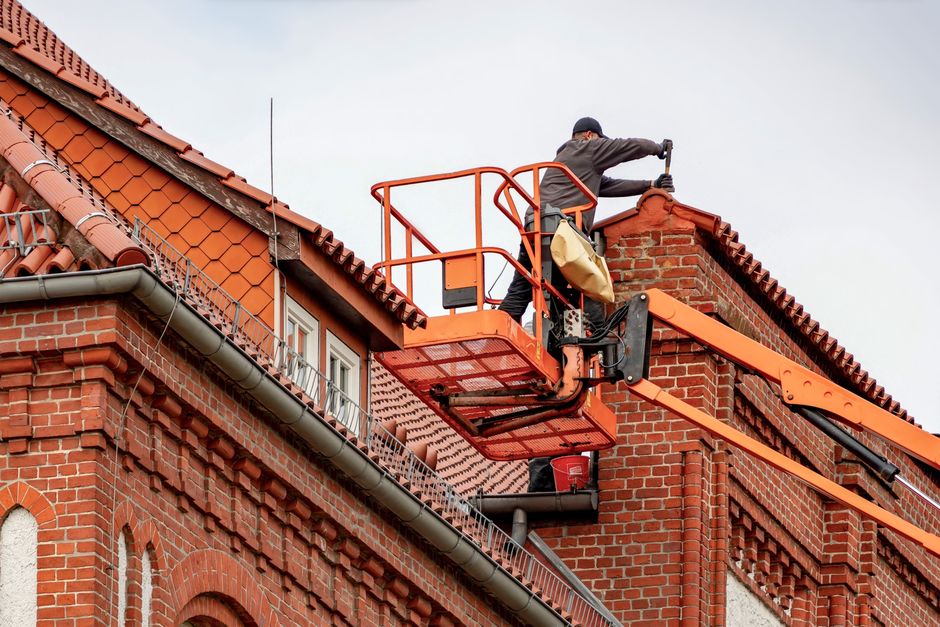
Water that gets behind failing fascia or soffit doesn’t stay contained to those boards. It travels along the roof edge and into the sheathing, rafter tails, and sometimes the wall framing below. By the time interior staining shows up, the damage has usually been progressing for a season or longer.
This is why a fascia or soffit repair often turns into a larger conversation during a roof inspection. A contractor checking the roof edge is also checking for rafter tail rot, deteriorated drip edge, and gaps where pests have gained entry. Catching these issues at the fascia and soffit stage is almost always less invasive and less costly than waiting until the damage reaches the deck.
A reliable contractor should check the rafter tails, roof deck edge, and gutter attachment points before quoting fascia or soffit work, not just the visible board or panel. Damage at the roofline rarely stays isolated to one material, so a quote that only addresses the fascia without looking at what’s behind it can leave underlying rot unresolved.
Before work starts, ask what the inspection covered beyond the surface material. A contractor who pulls back a section of soffit to check the rafter tails, or removes a short run of fascia to look at the deck edge, is giving you a more accurate picture than one working from a ladder and a pair of binoculars. It’s also worth asking whether the quote includes matching the existing gutter system, since fascia replacement often means temporarily detaching and reattaching gutters.
Homes in older New Orleans neighborhoods sometimes have fascia and soffit dimensions that don’t match modern lumber sizes, which can affect both the timeline and the materials needed. A contractor familiar with the area’s older housing stock will flag that during the initial inspection rather than after the work has already begun.
Isolated sections of rotted fascia or a handful of cracked soffit panels can usually be repaired without touching the rest of the roofline. Full replacement becomes the better option when damage is spread across multiple sections, when the underlying rafter tails have already started to rot, or when the existing material is old enough that matching pieces are no longer available.
A contractor should be able to explain, section by section, what’s salvageable and what isn’t, rather than defaulting to a full tear-off. TurnKey Roofing Contractors inspects the fascia, soffit, and gutter attachment together as part of any roof evaluation across the New Orleans area, so nothing gets missed at the edge of the roof.
If you’ve noticed sagging soffit panels, peeling fascia paint, or gutters pulling loose, it’s worth getting a second opinion before the damage spreads. Request a free estimate and a member of the team will walk the roofline with you.
Fascia rot usually starts with water backing up behind a clogged or damaged gutter. That trapped moisture soaks into wood fascia over weeks or months, softening the material from the inside out. Aluminum-wrapped fascia can hide the same rot underneath the metal covering.
Yes. Soffit repair is typically an isolated job that doesn’t require touching the roof deck or shingles unless the damage has already spread into the rafter tails. A contractor can replace individual panels or sections of vinyl or aluminum soffit as needed.
Check the underside of the eave for vent openings covered in paint, debris, or insulation pushed up from inside the attic. Blocked vents reduce attic airflow, which raises humidity levels and can accelerate deck rot even when the roof surface looks undamaged.
Coverage depends on the cause. Storm-related fascia or soffit damage, such as wind tearing panels loose, is often covered. Damage from long-term neglect, like gutters that were never cleaned, is typically treated as a maintenance issue and excluded.
A visual check twice a year, ideally before and after hurricane season, catches most early warning signs. Homes with mature trees nearby or a history of gutter clogs benefit from more frequent checks, since debris buildup accelerates moisture damage at the roof edge.
Aluminum and vinyl resist moisture and insect damage better than untreated wood in Louisiana’s humid conditions. Wood fascia can still work well when properly primed, painted, and maintained, but it requires more regular upkeep than metal or vinyl alternatives in a Gulf Coast climate.
A roofline that’s properly maintained protects the gutters, the roof deck, and the rafter tails underneath it, often for years longer than one left to deteriorate. TurnKey Roofing Contractors has handled fascia, soffit, and roof edge repairs across the New Orleans area for homeowners who want an honest evaluation before small damage turns into a bigger repair.
Ready to get your roofline checked? Contact us or call 504-688-7397 for a free estimate.