







Roof underlayment is the protective layer installed between the roof deck and the shingles, and the main types are traditional felt paper, synthetic underlayment, and self-adhering ice-and-water shield. In New Orleans, the choice matters most for wind-driven rain and humidity, not winter ice. Ice-and-water shield is typically reserved for eaves, valleys, and roof penetrations where leaks are most likely to start.
Shingles get all the attention, but the underlayment beneath them does most of the quiet work protecting your home. Roof underlayment types differ in material, water resistance, and how they hold up in Gulf Coast weather. Choosing the right layer affects how well your roof handles heavy rain and wind, and it can affect what your warranty actually covers. This guide breaks down the three main roof underlayment types so you know what is happening under your shingles.
Before any installation begins, it helps to see how underlayment fits into the full process. Visit TurnKey Roofing Contractors to learn more about how a properly built roof system comes together from the deck up.
What Is Roof Underlayment and Why Does It Matter?
Roof underlayment is a water-resistant barrier installed directly on the roof deck before shingles or other roofing material go on top, acting as a backup layer against leaks. If wind lifts a shingle or water finds a gap, the underlayment is what keeps moisture from reaching the wood deck below. In a humid climate like New Orleans, that backup layer matters more than in drier regions. Skipping or skimping on underlayment is one of the most common shortcuts in a poor roof installation.
A properly layered roof system starts with a solid deck and the right underlayment before any shingle goes down. Details on the full residential process are covered under Residential Roof Replacement. Underlayment problems often surface during a routine inspection tied to Residential Roof Repairs, especially around aging valleys and penetrations.
What Is Traditional Felt Underlayment and How Does It Perform?
Traditional felt underlayment is made from paper or fiberglass mat saturated with asphalt, and it has been used under shingles for generations because it is affordable and widely available. Felt comes in different weights, with heavier felt offering more tear resistance during installation. It absorbs some moisture over time and can wrinkle in humid conditions, which sometimes telegraphs through shingles. Many roofs installed decades ago still use felt, and it remains a valid option on a budget-conscious project.
Felt is not inherently unsafe, but it does not resist water as well as newer synthetic materials. Its lower material cost is one reason it still shows up in New Orleans roof replacement quotes.
What Is Synthetic Underlayment and Why Do Contractors Prefer It?
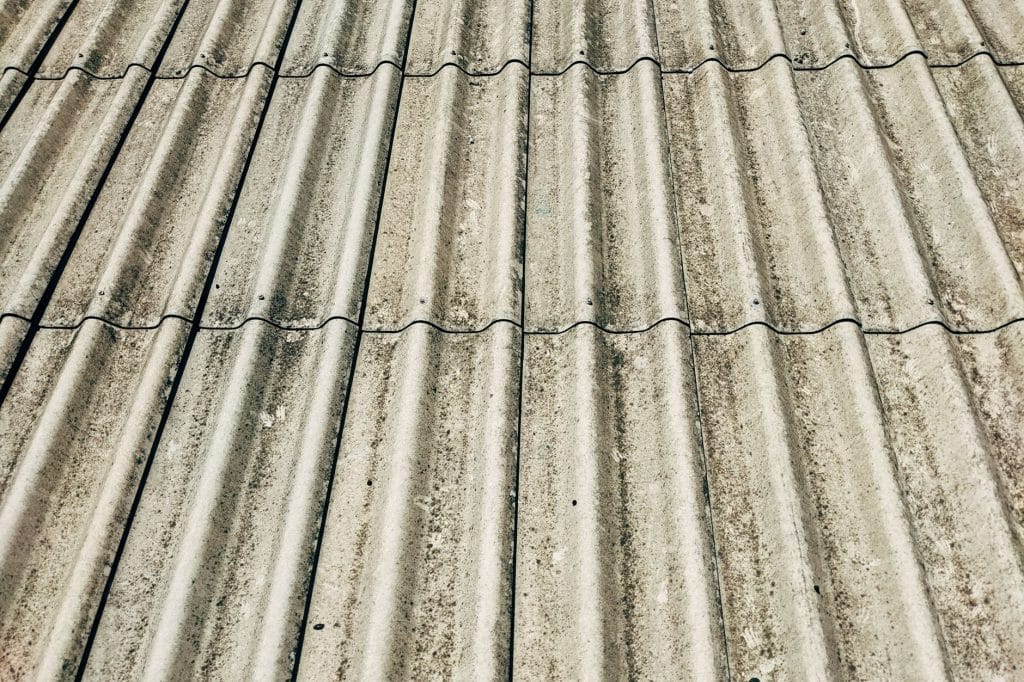
Synthetic underlayment is made from woven or spun polymer material that resists tearing, sheds water better than felt, and holds up longer to sun exposure during installation. It is lighter than felt, which makes it easier for crews to handle on a hot New Orleans roof deck. Synthetic sheets also lie flatter and do not wrinkle the way felt can in humid conditions. Many manufacturers now build synthetic underlayment into their full roofing system warranties.
Synthetic underlayment generally costs more per square than felt but often saves money over the life of the roof by resisting damage better. Ask about which underlayment type is included when you request an estimate by calling 504-688-7397 or visiting our contact page.
Where Is Ice-and-Water Shield Used and What Does It Protect?
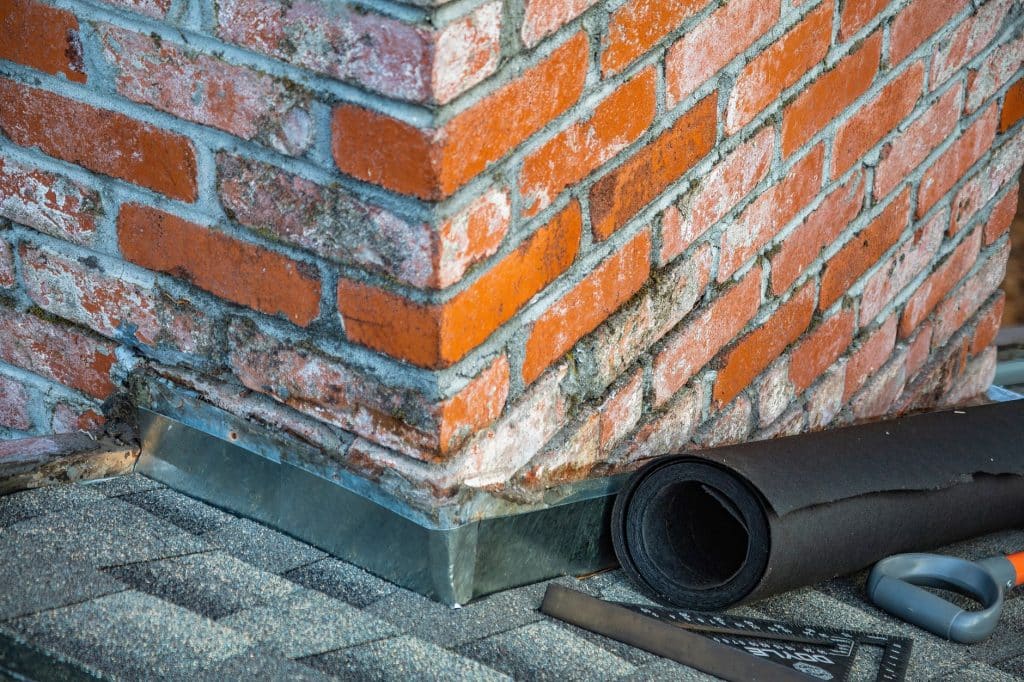
Ice-and-water shield is a self-adhering, rubberized underlayment installed at the roof’s most vulnerable spots, including eaves, valleys, and around chimneys, vents, and skylights. Despite the name, it is valuable in New Orleans for reasons that have nothing to do with ice. Its sticky, waterproof surface seals tightly around fasteners and resists wind-driven rain pushing sideways under shingles during a storm. Valleys and penetrations are common leak points on any roof, which is exactly where this material is placed.
Because ice-and-water shield seals around nail holes, it adds a layer of leak protection that plain felt or synthetic sheeting cannot match in those specific spots. It is not typically used across an entire roof deck due to cost, but targeted use at high-risk areas is standard practice on a quality installation.
Why Does Wind-Driven Rain Matter More Than Ice for New Orleans Roofs?
New Orleans roofs rarely deal with ice dams, but they face frequent wind-driven rain during storms, which can push water sideways and upward under standard shingle laps. That difference changes where underlayment upgrades matter most on a Gulf Coast home. Contractors here prioritize valleys, eaves, and penetration points where sideways rain is most likely to find a gap. A roof built for ice dam protection up north is not solving the same problem as one built for coastal storms.
Understanding local storm behavior is part of what separates a properly built roof from one that only looks finished. Full cost details for a quality installation are covered in The Cost of a Roof Replacement in 2025: What to Expect.
How Does Underlayment Choice Affect Your Roof Warranty?
Many manufacturer and contractor warranties require a specific underlayment type or brand to remain valid, so the wrong choice can quietly void coverage you thought you had. Warranty language often specifies synthetic underlayment or a particular ice-and-water shield product. Skipping the correct layer to save money upfront can cost more if a claim gets denied later.
TurnKey Roofing Contractors backs qualifying installations with the 15-Year Unlimited Wind Warranty, which has no cap on wind speeds and covers labor, materials, and repair costs. Details are at Unlimited Wind Warranty. The right underlayment during installation helps keep that warranty valid.
How Do You Know Which Underlayment Is Right for Your Roof?
The right underlayment depends on your budget, your roof’s slope and complexity, and how many valleys or penetrations need extra protection. A simple roof with few valleys may do fine with a quality synthetic underlayment across the whole deck. A more complex roof with multiple valleys and skylights benefits from targeted ice-and-water shield at those weak points. Discussing your specific roof during an inspection is the only way to get a precise recommendation.
Durable material choices go beyond underlayment too, covered in What Are the Most Durable Roofing Materials Available?. Catching trouble early protects the deck, as explained in Top Signs Your Roof Needs Immediate Repair. A warranty-backed installation, covered in How Roofing Warranties Can Save You Money, starts with these details.
Roof underlayment types are not just a technical detail buried in a contract. They affect how well your roof handles New Orleans rain and whether your warranty holds up when you need it. TurnKey Roofing Contractors can walk through underlayment options as part of a full roof repair or replacement plan.
Frequently Asked Questions
What is the difference between synthetic underlayment and felt?
Synthetic underlayment is a woven polymer material that resists tearing and sheds water better than traditional felt paper, which is asphalt-saturated paper or fiberglass mat. Synthetic is lighter and lies flatter, which is why many contractors now prefer it over felt on New Orleans roofs.
Do New Orleans roofs need ice-and-water shield if there is no ice?
Yes, ice-and-water shield is used in New Orleans for its self-sealing waterproof properties, which protect valleys, eaves, and penetrations from wind-driven rain rather than ice dams. Its sticky surface seals tightly around nails and fasteners in high-risk leak areas.
Can the wrong underlayment void my roof warranty?
Some manufacturer and contractor warranties, including coverage tied to the 15-Year Unlimited Wind Warranty, specify an approved underlayment type as part of the covered system. Using an unapproved material can affect whether a future claim is honored.
Where exactly is ice-and-water shield installed on a roof?
It is typically installed at eaves, roof valleys, and around penetrations like chimneys, vents, and skylights rather than across the entire roof deck. These spots are the most common locations for leaks to start on a New Orleans roof.
Is felt underlayment still an acceptable option today?
Felt underlayment is still used on some roofing projects and remains code-acceptable in most cases, though it is more prone to wrinkling and moisture absorption in humid conditions than synthetic underlayment. Many homeowners upgrade to synthetic for its added durability.
How do I find out what underlayment my roof needs?
A roof inspection from TurnKey Roofing Contractors can identify your roof’s valleys, penetrations, and slope to recommend the right underlayment combination. Call 504-688-7397 or visit the contact page to schedule one.
Ask About Underlayment on Your Next Roof Project
Get a clear explanation of what goes under your shingles and how it protects your warranty coverage.