Turnkey Roofing Contractors
  Sep 16, 2026
Fascia and Soffit Damage: What It Signals About Your Roof’s Health
Read More


Residential License # 890459
Commercial License # 3667

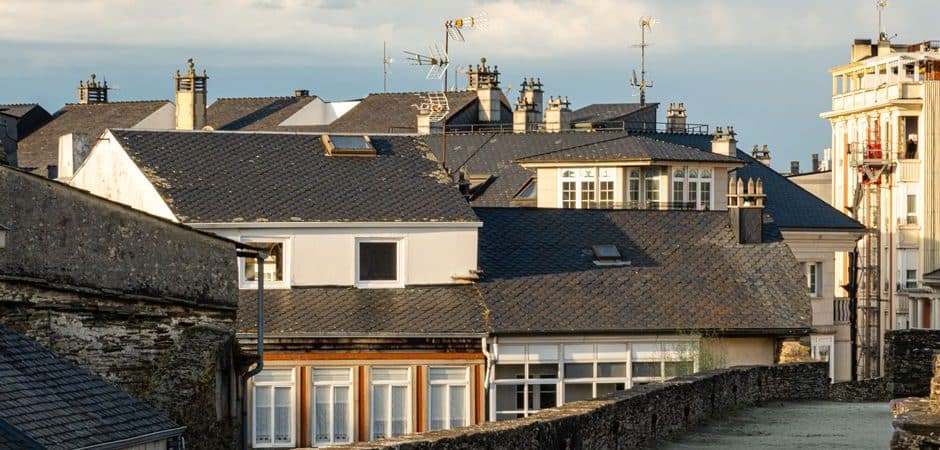
Slate shows up on commercial buildings less often than membrane or metal roofing, but it’s still common on historic office buildings, institutional properties, and mixed-use structures across older parts of New Orleans. Managing that roof asset comes with different considerations than the low-slope systems most facility managers deal with day to day.
Slate is a natural stone product, quarried and split rather than manufactured, which means every roof carries some variation in thickness, color, and durability. Understanding those variables matters for anyone responsible for budgeting maintenance, planning repairs, or eventually replacing a slate roof on a commercial property.
Slate is a steep-slope, individually installed material, unlike the continuous membrane systems that dominate commercial low-slope roofing, so it requires specialized installation and repair skills most general commercial roofers don’t maintain regularly. Facility managers accustomed to TPO, EPDM, or built-up roofing on other properties in their portfolio often find slate requires a different vendor relationship entirely.
This specialization affects response time for repairs. A facility manager who calls a general commercial roofer for a cracked slate tile may find that contractor unwilling or unable to source matching material and perform the repair correctly. Building a relationship with a contractor who handles both commercial roofing and natural slate work in advance of an emergency saves time when a repair is actually needed.
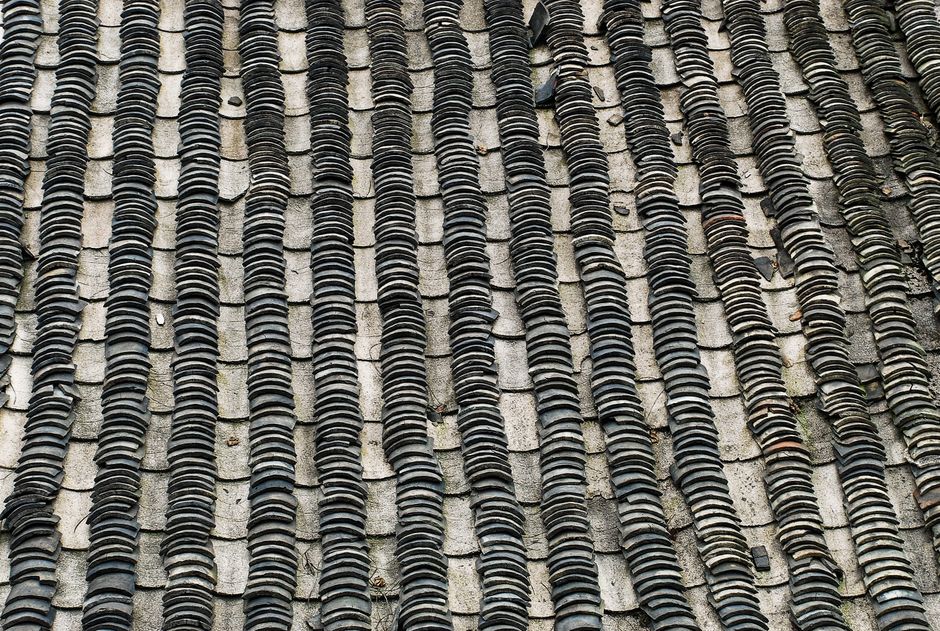
Like clay and concrete tile, natural slate is significantly heavier than most commercial roofing membranes, and any building being considered for a slate roof or a slate roof replacement needs a structural evaluation of the existing framing or deck system. This matters even more on commercial buildings, where roof structures may already carry mechanical equipment, solar arrays, or other rooftop loads in addition to the roofing material itself.
A structural engineer’s evaluation should account for the combined dead load of the slate, any existing rooftop equipment, and code-required live loads such as snow or maintenance foot traffic, even in a climate like New Orleans where snow load is rarely a factor. Facility managers overseeing older buildings should keep structural documentation on file, since it speeds up future evaluations and repair planning.
Routine slate roof maintenance focuses on flashing, individual cracked or slipped tiles, and fastener condition, since the slate itself often outlasts the metal components installed alongside it. Flashing around chimneys, parapet walls, and roof penetrations tends to fail well before the slate tiles do, and that flashing failure is the most common source of leaks on an otherwise sound slate roof.
A practical maintenance plan for a commercial slate roof typically includes:
Deferred maintenance on slate tends to compound quickly, since a small number of missing tiles can allow water into the underlayment and deck, leading to damage well beyond the original problem area.
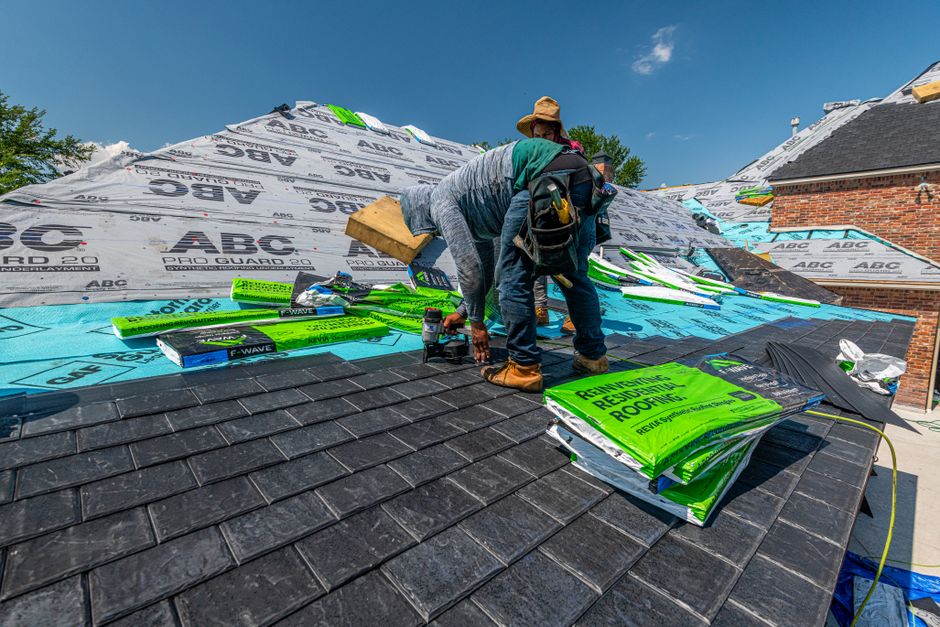
Facility managers should expect that matching slate for repairs on an older commercial building can take longer than a typical membrane roof repair, since color, thickness, and quarry source all affect the match. Slate quarried decades ago may no longer be in production, which sometimes requires salvaged or reclaimed slate to achieve a visually consistent repair.
Keeping a small reserve of matching slate tiles on hand, sourced during a larger repair or replacement project, is a practical way to shorten future repair timelines. A contractor experienced in commercial slate work can advise on whether reserve stock makes sense for a given property.
Slate roofing carries a longer service life than most commercial roofing materials, often exceeding 75 to 100 years when properly maintained, but that longevity comes with higher upfront and repair costs than membrane systems. Facility managers budgeting for a slate roof asset need to account for specialized repair labor, potential structural work, and the longer lead times associated with sourcing matching material.
Facility managers overseeing multiple properties benefit from treating a slate roof as a distinct line item in their asset management plan rather than folding it into general roofing maintenance budgets. The specialized labor, longer sourcing timelines, and structural considerations unique to slate mean it doesn’t fit neatly alongside membrane roof maintenance schedules built around different assumptions.
A separate slate roof plan should track the age and condition of flashing components, document any prior repairs and the tile source used, and set inspection intervals appropriate to the building’s exposure and history. Buildings near mature trees or with complex rooflines involving multiple valleys and penetrations typically need more frequent checks than a simple gable roof.
It’s also worth documenting who performed prior slate work and what materials were used, since that history becomes valuable the next time a repair is needed. A facility manager who inherits a property without this documentation often has to start the evaluation process from scratch, which adds cost and delay to what might otherwise be a routine repair.
Commercial buildings with historic designation or located in a historic district often face additional requirements around slate roof repair and replacement, including material approval and review processes through local preservation authorities. These requirements can extend project timelines well beyond what a standard commercial roofing project would take, so factoring them into any planning is essential.
Insurance considerations also differ for slate roofs compared to membrane systems. Some policies treat natural slate differently in terms of replacement cost valuation, given its longer lifespan and higher repair costs. Facility managers should confirm with their insurance provider exactly how a slate roof is valued and covered, ideally before a claim becomes necessary rather than during one.
TurnKey Roofing Contractors works with facility managers and property owners on commercial slate roofing projects across the New Orleans area, from routine flashing repair to full structural evaluation ahead of a larger project.
If your property has an aging slate roof or you’re evaluating options for a commercial building, reach out for a free estimate and a team experienced in both commercial and slate roofing will walk the roof with you.
Natural slate roofing can last 75 to 100 years or longer when properly maintained, significantly outlasting membrane roofing systems common on commercial buildings. The flashing, fasteners, and underlayment beneath the slate typically need attention before the slate tiles themselves fail.
Slate is a natural stone product, so color, thickness, and texture vary by quarry source and even by extraction period. Older commercial buildings may have slate that’s no longer in production, requiring salvaged or reclaimed material to achieve a consistent repair match.
It depends on the existing structure. Natural slate is significantly heavier than membrane roofing, so any building being considered for slate needs a structural evaluation accounting for the slate’s weight plus any existing rooftop equipment or other loads already present.
Flashing failure around chimneys, parapet walls, and roof penetrations is the most common source of leaks on slate roofs, since metal flashing components typically deteriorate before the slate tiles do. Routine flashing inspection catches these issues before they cause interior damage.
Yes, when practical. Keeping salvaged or purchased slate tiles from a larger repair or replacement project on hand can significantly shorten future repair timelines, since sourcing new matching slate for an aging roof can take considerably longer than a standard commercial roofing repair.
Not always. Slate installation and repair require specialized skills that many general commercial roofing contractors don’t maintain. Facility managers should confirm a contractor’s specific slate experience before relying on them for repairs on a slate roof asset.
A well-maintained slate roof can outlast almost any other commercial roofing material, but only with the right maintenance and repair partner behind it. TurnKey Roofing Contractors supports facility managers with commercial slate roofing repair and maintenance across the New Orleans area.
Managing an aging slate roof asset? Contact us or call 504-688-7397 for a free estimate.