





Wind-rated roofing in New Orleans combines specific shingle products, fastening patterns, and roof-to-wall connections that are engineered and tested to resist high wind uplift. Louisiana’s building code sets minimum wind speed requirements for coastal parishes, and a properly built wind-rated roof meets or exceeds those numbers. The payoff is a roof system that holds together under pressure instead of peeling apart one shingle at a time.
If you own a home or business near the Gulf Coast, wind-rated roofing New Orleans homeowners can count on is not a marketing phrase. It is a construction standard built into every layer of the roof, from the deck to the cap shingle. TurnKey Roofing Contractors’ approach starts with understanding how wind actually attacks a roof, then builds a system that answers back at every connection point. You can learn more about our full range of services on our homepage.
This guide breaks down what wind-rated roofing means, why roof-to-wall connections matter as much as the shingles themselves, and how Louisiana’s building code shapes what gets installed on homes in high-wind zones. We will also cover how our 15-Year Unlimited Wind Warranty fits into all of this as a real, usable guarantee.
What Does “Wind-Rated Roofing” Mean in Louisiana?
Wind-rated roofing means every component of the roof system, from shingles to fasteners to underlayment, has been tested and rated to resist a specific wind speed without failing. This is not one product. It is a combination of materials and installation methods working together. A shingle alone cannot make a roof wind-rated if the fasteners or the decking underneath are not rated to match.
In practice, this means using shingles with a documented wind rating, following the fastener count and pattern the manufacturer specifies, and confirming the roof deck is properly attached to the framing below. Skip any one step and the whole system is only as strong as its weakest link.
How Does Wind Uplift Damage a Roof?
Wind uplift happens when moving air creates negative pressure above the roof surface, essentially pulling shingles upward instead of pushing them down. This is the same physics that lifts an airplane wing. The faster the wind moves across the roof plane, the stronger that upward pull becomes, especially near edges and corners.
Roof edges, ridges, and corners see the highest uplift forces during a windstorm. That is why proper fastening patterns concentrate extra nails in those zones. A roof that looks fine in the middle but was under-fastened at the edges is often where storm damage starts.
What Are Roof-to-Wall Connections and Why Do They Matter?
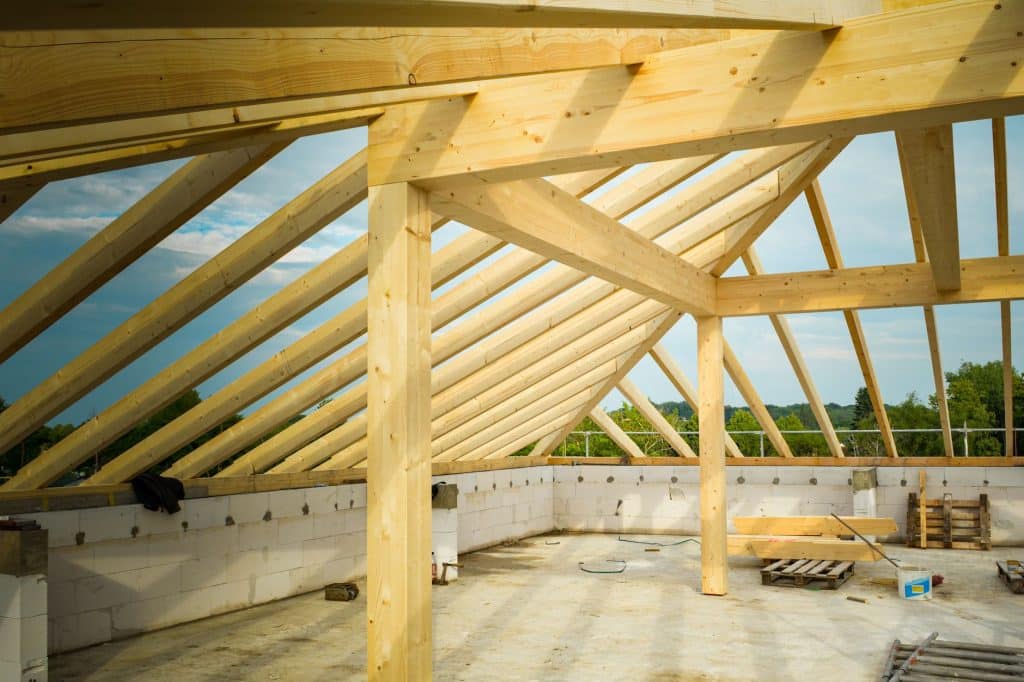
Roof-to-wall connections are the hardware, usually metal hurricane straps or clips, that physically tie the roof structure to the walls of the building below it. Without a solid connection, high wind can separate the entire roof assembly from the walls, not just individual shingles.
These straps transfer wind load down through the wall framing and into the foundation instead of letting the roof act like a loose lid. On older homes built before modern code updates, roof-to-wall connections are sometimes missing or undersized. Upgrading them during a full roof replacement is one of the most effective wind-resistance improvements a homeowner can make.
If you are weighing a full roof replacement against a repair, this is a good moment to bring it up with your contractor. Reach out through our contact page and we will walk you through what your roof structure needs.
What Makes a Shingle “Wind-Rated”?
A wind-rated shingle has been tested under standardized conditions and certified to withstand a specific sustained wind speed without tabs lifting or blowing off. Manufacturers publish these ratings, and installers must follow the matching fastener requirements to keep the rating valid.
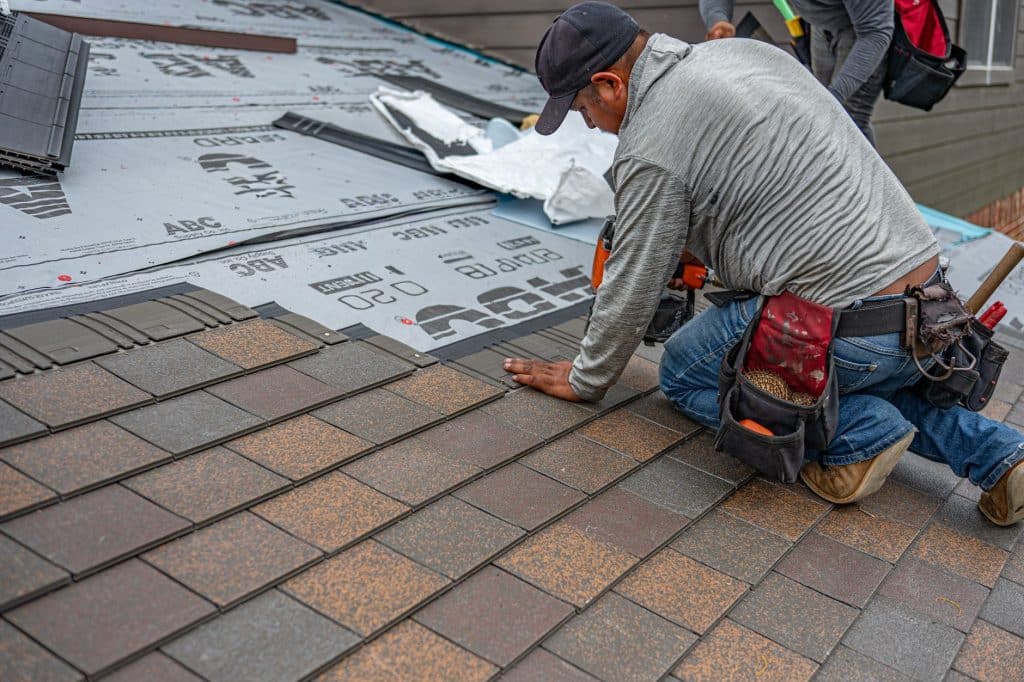
Higher wind ratings generally require more fasteners per shingle, often six nails instead of four, along with specific nail placement. Using the wrong nail pattern can void a shingle’s wind rating even if the product itself is rated for high speeds. This is one reason choosing an experienced roofing crew matters as much as choosing the right shingle brand.
What Does Louisiana’s Building Code Require in High-Wind Zones?
Louisiana’s building code sets minimum design wind speed requirements that increase the closer a property sits to the coast, and roofing materials and fastening methods must be rated to meet those local numbers. Parishes along the Gulf Coast and southeastern Louisiana generally fall into higher wind speed categories than inland areas.
These requirements affect shingle selection, fastening schedules, and roof deck attachment. Some homeowners also pursue additional wind mitigation upgrades tied to state programs, which can affect both code compliance and insurance costs. Our post on the Louisiana Fortify Homes Program covers how that separate program interacts with code-built wind resistance. Permitting is also part of this picture, and our guide to roofing permits in New Orleans explains what inspectors check before signing off.
What Does the 15-Year Unlimited Wind Warranty Actually Cover?
The 15-Year Unlimited Wind Warranty from TurnKey Roofing Contractors has no cap on wind speeds and covers labor, materials, and repair costs tied to wind damage. It applies to new roof installations and to qualifying existing roofs, and it covers asphalt shingle, metal, tile, and flat roofing systems.
Because there is no wind speed ceiling written into the warranty, it holds up regardless of how severe a given storm turns out to be. That is a direct result of building the roof to wind-rated standards in the first place rather than cutting corners on fasteners or connections. Read the full terms on our Unlimited Wind Warranty page, and you get coverage that follows the roof for decades, not just one storm season.
Curious what your current roof would qualify for? Call us at 504-688-7397 for a free estimate, and we will inspect your roof-to-wall connections and fastening pattern before recommending anything.
Why Does This Matter More in New Orleans Than Elsewhere?
New Orleans and the surrounding parishes sit inside some of Louisiana’s highest wind design categories, so the margin for error on roof construction is smaller than it is inland. A roof built to a lower standard may perform fine most years and still fail catastrophically the one year it matters.
That is why wind-rated construction is not an upgrade option here so much as a baseline expectation. Homeowners comparing costs should also read our breakdown of the cost of a roof replacement to see how wind-rated materials and labor factor into a fair estimate. Trends in roofing materials shift year to year, and our look at top roofing trends touches on where wind-resistant products are headed next.
Building or replacing a roof to true wind-rated standards takes more planning than a standard tear-off and reinstall. It means checking the deck, the straps, the fasteners, and the shingle rating as one connected system, not four separate decisions.
Frequently Asked Questions
What wind speed do New Orleans roofs need to withstand?
Louisiana’s building code sets minimum design wind speeds that vary by parish, with coastal and southeastern areas near New Orleans generally facing higher requirements than inland regions. TurnKey Roofing Contractors builds to the wind rating required for each specific property location.
Do hurricane straps really make a difference?
Yes. Hurricane straps and clips create the roof-to-wall connection that keeps the roof structure attached to the walls during high wind, rather than relying on gravity and nails alone.
Does the 15-Year Unlimited Wind Warranty cover named storms?
The warranty has no cap on wind speeds and covers labor, materials, and repair costs for wind damage on qualifying installs, including asphalt shingle, metal, tile, and flat roofing systems.
Can an older home be upgraded to meet current wind standards?
In many cases, yes. Upgrading roof-to-wall connections and re-fastening during a roof replacement can bring an older home’s roof much closer to current Louisiana building code expectations.
Is wind-rated roofing more expensive than a standard roof?
Materials and labor for wind-rated construction can cost more upfront due to additional fasteners and hardware, but it is often required by code in this region regardless of budget preference.
How do I know if my current roof meets wind code?
A physical inspection is the only reliable way to check fastening patterns, shingle rating, and roof-to-wall connections. TurnKey Roofing Contractors offers free estimates that include this kind of review.
Get a Free Wind-Rated Roofing Estimate
Find out if your roof meets Louisiana’s wind code standards. Contact us online or call today.