



A roofing warranty sounds simple on paper: install the shingles correctly, and the manufacturer stands behind the material. In practice, many of the strongest warranties available today require far more than the shingles alone to remain valid.
Manufacturers increasingly define coverage around a full matched system, meaning the shingles, underlayment, starter strip, ridge cap, and ventilation components all need to come from an approved lineup. Understanding why this matters helps homeowners avoid an unpleasant surprise if a warranty claim is ever needed.
What Does a Matched Roofing System Actually Mean?
A matched system refers to a set of roofing components, from underlayment through ridge cap, that a manufacturer has tested and approved to work together as a single installed assembly rather than as individual, interchangeable parts. The idea is that a roof performs as a system, and mixing components from different sources can introduce compatibility issues the manufacturer never tested for.
For example, a shingle line might be engineered to work with a specific starter strip product that provides proper wind resistance at the eave. Substituting a generic starter strip, even one that looks similar, can leave that connection point more vulnerable to wind uplift than the tested combination would be.
Why Do Manufacturers Require This for Extended Warranties?
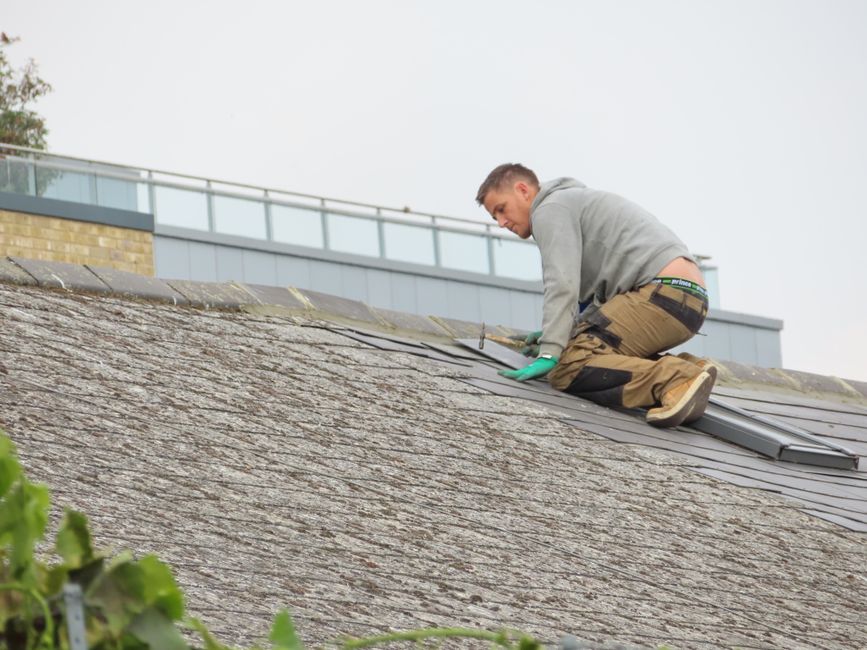
Standard manufacturer warranties typically cover material defects only, but extended and enhanced warranty tiers, the ones offering longer coverage periods and workmanship protection, generally require the full matched system as a condition of that stronger coverage. This isn’t an arbitrary rule. It reflects the manufacturer’s own testing data on how the system performs as a complete unit.
A roof built entirely from one manufacturer’s approved components gives that manufacturer confidence in extending stronger warranty terms, since they’ve tested that specific combination extensively. Mixing components introduces variables outside what was tested, which is why doing so often disqualifies a roof from the strongest available coverage tier.
Components That Typically Must Match
A complete matched system usually includes the field shingles, starter strip, hip and ridge cap shingles, underlayment, and sometimes specific ventilation products, all specified by the same manufacturer. Each component plays a distinct role, and the warranty terms typically list exactly which products qualify.
Components commonly covered under a matched system requirement include:
- Field shingles covering the main roof surface
- Starter strip shingles installed along eaves and rakes
- Hip and ridge cap shingles designed to match the field shingle’s profile
- Synthetic or felt underlayment specified as compatible with the shingle line
- In some warranty tiers, approved ventilation products installed as part of the system
Leaving out even one of these components, or substituting a non-approved product, can reduce coverage to the manufacturer’s base-level warranty rather than the enhanced tier the homeowner may believe they’re getting.
How Does This Affect Contractor Selection?
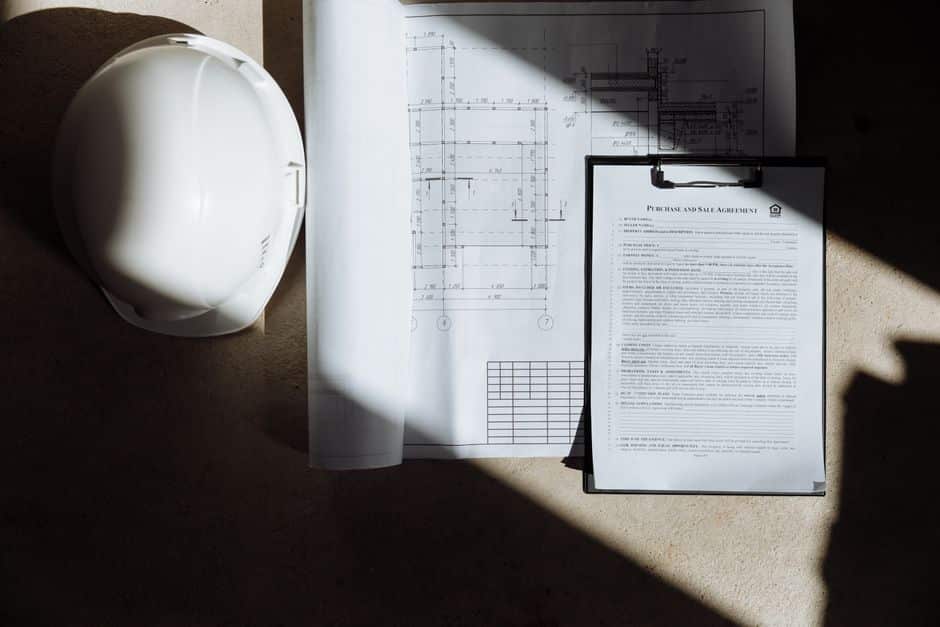
Not every roofing contractor is certified to install and warranty a full matched system from a given manufacturer, since that certification typically requires meeting the manufacturer’s training, licensing, and quality standards. A contractor without that certification may still install quality components, but won’t be able to offer the manufacturer’s strongest warranty tier regardless of workmanship.
This is one of the practical reasons manufacturer certifications matter when comparing contractors. A certified contractor has direct access to register and back a system warranty with the manufacturer, while a non-certified contractor is limited to whatever base coverage applies to the materials themselves.
What Should You Confirm Before Signing a Roofing Contract?
Before signing a contract that references an enhanced or extended warranty, confirm in writing exactly which components qualify as part of the matched system and that all of them will actually be used on the project. A verbal assurance isn’t the same as a contract that specifies each product by name.
Questions worth asking include whether the underlayment specified is the manufacturer-approved product for that warranty tier, whether ridge cap will match the field shingle line exactly, and whether the contractor is certified to register the warranty with the manufacturer once the job is complete. A contractor confident in their system knowledge should answer each of these directly.
How Do Matched Systems Play Out During an Actual Claim?
When a warranty claim is filed, the manufacturer typically reviews the installed materials against what was registered at the time of installation, comparing product codes and installation records rather than taking a homeowner’s word for what was used. This is where the value of a properly documented matched system becomes clear, since a mismatch between what was registered and what’s actually on the roof can complicate or delay a claim.
Homeowners rarely think about this until a claim is actually necessary, at which point it’s too late to change what was installed. Keeping copies of the original contract, product specification sheets, and warranty registration confirmation gives homeowners a record to reference if a question ever comes up years down the road.
This documentation matters even more for homeowners planning to sell their property, since an enhanced warranty tied to a properly registered matched system can transfer to a new owner and become a selling point. A roof with an undocumented or mixed-component installation offers no such advantage, regardless of how well it was actually built.
TurnKey Roofing Contractors is GAF Master Elite certified and installs matched GAF roofing systems on roof replacement projects across the New Orleans area, registering warranty coverage directly with the manufacturer.
If you want to understand exactly what warranty tier your roofing contract includes and which components qualify, request a free estimate and ask the team to walk through the system in detail.
Frequently Asked Questions
Does Mixing Roofing Components From Different Manufacturers Void a Warranty?
It can significantly reduce coverage. Using components from different manufacturers, or substituting a non-approved product within the same manufacturer’s lineup, often disqualifies a roof from enhanced or extended warranty tiers, even if the base material warranty still applies.
What Counts as Part of a Matched Roofing System?
A matched system typically includes field shingles, starter strip, hip and ridge cap shingles, and manufacturer-approved underlayment, all specified by the same product line. Some enhanced warranty tiers also require specific approved ventilation components.
Why Would a Contractor Not Use Matched System Components?
Cost is a common reason, since generic or substitute components can be less expensive than manufacturer-specified ones. A contractor without certification to install a specific matched system may also default to whatever components they’re accustomed to using, regardless of warranty implications.
How Do I Know If My Contractor Is Certified for a Matched System Warranty?
Ask the contractor directly which manufacturer certification they hold and confirm it through the manufacturer’s own contractor locator tool. Certified contractors can typically explain which specific warranty tiers they’re authorized to offer and register.
Does a Matched System Cost More Than Mixed Components?
It can, since manufacturer-specified components are sometimes priced higher than generic alternatives. That added cost is generally offset by the stronger warranty protection available only through a fully matched, certified installation.
Can an Existing Roof Be Converted to a Matched System Later?
Generally, no, not without replacing the components already installed. Matched system warranties typically apply at the time of installation, so retrofitting a warranty onto a roof built with mixed components after the fact usually isn’t possible.
Get a Fully Matched, Warranty-Backed Roofing System
Installing a complete matched system protects the strongest warranty coverage available for your roof. TurnKey Roofing Contractors installs matched GAF roofing systems and registers warranty coverage directly with the manufacturer for projects across the New Orleans area.
Want to know which warranty tier applies to your roof? Contact us or call 504-688-7397 for a free estimate.