
 Turnkey Roofing Contractors
  Mar 12, 2026
Warning Signs Your Home Needs a Roofing Contractor Immediately
Read More


Residential License # 890459
Commercial License # 3667

Most homeowners never think about their roof until something goes wrong. By that point, what could have been a minor repair has turned into a much bigger problem. Knowing how often to schedule a professional roof inspection is one of the simplest steps you can take to protect your home and avoid costly surprises.
For expert roof inspections and free estimates throughout New Orleans and surrounding areas, TurnKey Roofing Contractors has you covered. Contact us to schedule your inspection today.
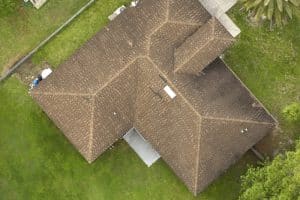 Most roofing professionals and the National Roofing Contractors Association (NRCA) recommend scheduling a professional roof inspection at least twice a year, typically in the spring and fall. In a climate like New Orleans, where intense heat, high humidity, and hurricane-season storms put roofs through year-round stress, sticking to this schedule is especially important.
Spring inspections check for damage that accumulated over winter and ensure your roof is ready for the humid summer months ahead. Fall inspections prepare your roof before hurricane season ends and before cooler, wetter weather arrives. Together, they give you two reliable windows to catch problems early, before small issues turn into expensive repairs.
The right inspection frequency depends on several factors specific to your property. Twice a year is the general standard, but certain conditions in New Orleans call for additional attention beyond the minimum schedule.
A professional roof inspection goes far beyond a visual scan from the ground. A trained inspector examines your roof’s structure, materials, and drainage systems from top to bottom, identifying both visible damage and early warning signs that are easy to miss without experience.
A thorough inspection typically covers the following:
 Flashing: Metal flashing around chimneys, vents, skylights, and valleys is a common entry point for water. Inspectors check that seals are intact and flashing is properly secured.
Even if you are on a twice-yearly schedule, certain events should trigger an unscheduled inspection as soon as possible. Waiting until your next scheduled visit after a major storm or other triggering event gives damage time to spread and worsen.
Schedule an inspection immediately after any of the following:
Some roof problems announce themselves clearly. Others develop quietly for months before they become visible. Knowing what to look for from the ground or inside your attic can help you catch issues between scheduled visits.
Watch for these warning signs:
If any of these signs appear, schedule an inspection promptly. Delaying increases the risk that a repair turns into a full roof replacement.
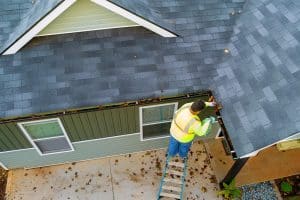 Yes. Consistent professional inspections are one of the most effective ways to get the maximum lifespan out of your roofing system. The National Association of Home Builders (NAHB) estimates that asphalt shingles typically last 20 to 30 years. Reaching that upper range depends on proper installation, adequate attic ventilation, and routine maintenance throughout the roof’s life.
In a climate like New Orleans, heat, humidity, and storm exposure can accelerate wear beyond what the material’s rated lifespan suggests. Three-tab shingles, which carry a shorter lifespan than architectural or premium options, may begin failing in as few as 15 years without upkeep in high-stress climates. Staying on a consistent inspection schedule is one of the most cost-effective ways to protect that investment regardless of which shingle type you have.
Regular professional inspections protect your home, extend the life of your roof, and keep small problems from becoming costly emergencies. With New Orleans’ demanding climate, staying on a consistent inspection schedule is one of the smartest investments a homeowner can make.
TurnKey Roofing Contractors is a licensed residential and commercial roofing company serving New Orleans and communities across southeastern Louisiana.
Call us at 504-688-7397 to schedule your free estimate and inspection today.
The National Roofing Contractors Association (NRCA) recommends professional roof inspections at least twice per year, in spring and fall. In New Orleans, where hurricane season and year-round heat and humidity accelerate wear, following this schedule consistently is especially important for protecting your home.
A professional inspection covers shingles, flashing, gutters, fascia boards, soffit, attic ventilation, and the roof deck. Inspectors use their training and specialized tools to identify both visible damage and early-stage issues that homeowners typically cannot detect from the ground.
You can perform a basic visual check from the ground, but a professional inspection is more thorough and safer. Certified roofers follow OSHA safety protocols when accessing steep or uneven surfaces, and they know how to identify hidden problems like moisture beneath the surface that a homeowner walkthrough would miss.
Most residential roof inspections take one to two hours, depending on the size and complexity of the roof. The inspector will provide a detailed report of findings, including any areas that need repair or monitoring.
Yes, in some cases. Many insurance providers in Louisiana consider maintenance history when processing claims. Documented proof of regular inspections and upkeep can strengthen a claim by demonstrating responsible homeownership, while a lack of maintenance records may give insurers grounds to attribute damage to neglect rather than a covered event. Keeping a record of professional inspections protects your position if you ever need to file.
Spring and fall are the ideal inspection windows. Spring inspections assess any damage from winter weather before summer humidity arrives. Fall inspections prepare your roof after hurricane season and before the wetter months of winter. If a major storm hits at any other time of year, schedule an additional inspection right away.
Your inspector will recommend repairs when damage is limited and the overall structure is sound. If the roof has reached the end of its useful life, has widespread water damage, or shows signs of structural compromise, a full roof replacement is typically the more reliable and cost-effective solution long term.
Many manufacturer warranties require documented evidence of regular maintenance to remain valid. High-performance roofing systems, such as those backed by a 50-Year Non Pro-Rated Warranty, 10-Year Workmanship Warranty, and 15-Year Unlimited Wind Warranty, typically specify inspection and maintenance conditions that homeowners must meet to keep coverage active.


