





Identifying the warning signs that your house requires a roofing contractor right away can help avoid serious damage and expensive repairs. Typical signs are ongoing leaks, missing or curled shingles, and sagging roof sections. Other signs, like ceiling stains, unusual energy bill spikes, or granules in gutters, should also warrant immediate attention.
TurnKey Roofing Contractors offers professional inspections to enable homeowners to remedy these conditions before escalation. Early identification of these signs maintains the integrity of your home as well as the cost-effectiveness of future repairs. Don’t wait for the damage to spread—reach out to us today for a thorough roof inspection. We’re here to help you catch problems early and protect your home.
Why Timely Roof Maintenance Matters
In severe weather areas like New Orleans, catching issues early can cut repair costs in half and add up to 15 years to a roof’s lifespan. Neglect leads to leaks, mildew, and structural damage. Regular energy audits help reduce heating and cooling expenses.
Obvious Signs You Need a Roofing Contractor Immediately
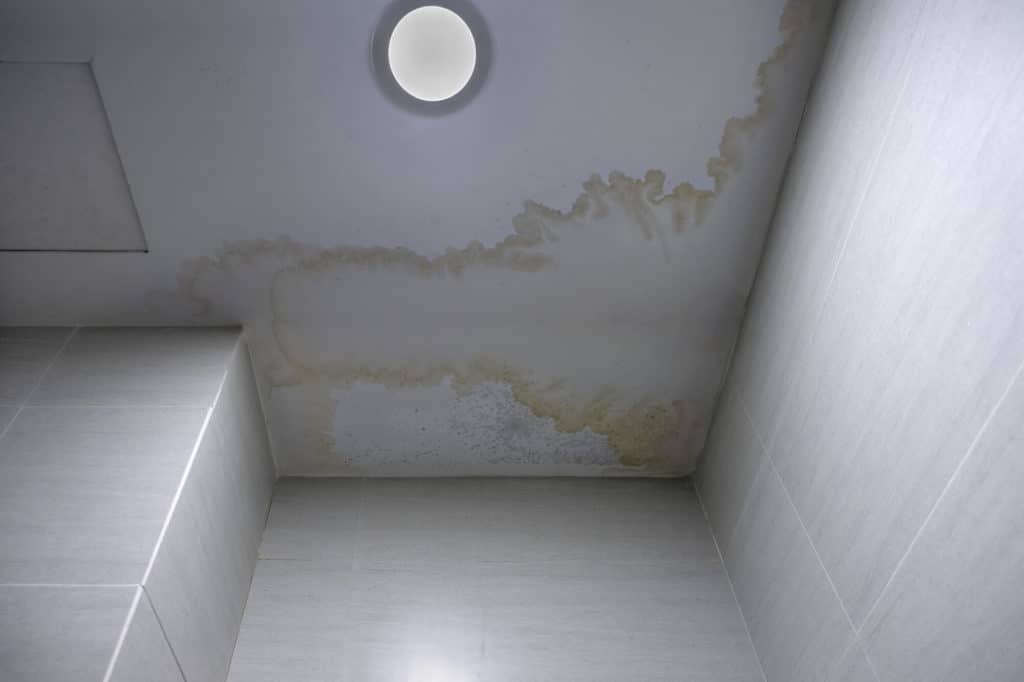
Roof problems may not have started as emergencies, but can become bigger if left unaddressed. Businesses and homeowners should pay attention to these signs before expensive repairs or replacements become necessary.
Here’s when to contact a roofer:
1. Spot Interior Water Stains or Leaks
Spots of water on walls or ceilings are a sign of leaking from the roof. The leaks can lead to severe structural damage and mold growth if left untreated. To determine the extent of the problem, a contractor can visually inspect the size and location.
2. Find Missing, Cracked, or Curled Shingles
Shingles are the first line of protection for the roof. Compromised or lost shingles allow water to seep into the underlayment. When more than one shingle is compromised, it will require professional repairs.
3. Notice Shingle Granules in Gutters
Shingles shed granules as they age. Too many granules in the gutters mean that shingles are breaking down and losing their waterproof coating. Bald spots on the roof mean high-level wear and need a contractor’s inspection.
4. Observe Sagging Roof Decking or Rafters
A drooping roof may signal moisture damage or structural vulnerabilities. Left untreated, this can result in catastrophic collapses. A professional inspection can establish the most effective remedy.
5. See Daylight Penetrating the Roof
Attic visible light indicates holes or gaps in the roofing material. They allow water penetration and potential pest invasion, which should be fixed immediately.
Subtle Indicators of Roof Problems
Roof issues tend to begin small but grow larger if neglected. Remaining vigilant of the early warning signs prevents expensive repairs.
-
Check for Moss or Algae Growth
Moss and algae may retain water against roof surfaces, accelerating deterioration. Shaded areas are particularly vulnerable. Periodic cleaning and inspection prevent long-term damage.
-
Inspect Flashing Around Vents
Flashing seals roof penetrations, keeping them leak-free. Water can penetrate weak spots if the flashing is rusted, cracked, or installed incorrectly, causing interior damage.
-
Buckling or Warping Shingles
Warped or buckled shingles signal moisture retention or inadequate ventilation. These issues compromise roof performance and may require partial or full replacement.
Distinguishing Routine Wear from Urgent Issues
Roofing issues range from normal wear to urgent problems. Regular inspections and professional reviews help catch issues early, preventing costly repairs.
Evaluating the Damage
Visible damage, such as missing shingles or clogged gutters, should not be ignored. Granule loss or interior water stains suggest developing issues that require prompt attention.
Considering Roof Age
Roofs over 20 years old are at higher risk of issues. Aging materials lose their strength, so replacement is a better value in some instances.
Monitoring Interior Conditions
Stains, mildew smells, and changing humidity within the house can be signs of roof problems.
Risks of Delaying Roof Repairs
When your roof is not fixed, you may end up with bigger problems that will affect the structure of your house and those inside it. A proactive approach ensures that your roof remains dependable and avoids expensive outages.
-
Structural Damage Worsens
Without recognizing the problems with roofing, structures can become frayed, decayed, or trip. Regular check-ups aid in avoiding significant repairs.
-
Mold and Mildew Growth
Leaks are among the major sources of health risks and indoor destruction, including mold development. Careful planning protects the structure and air within the house.
-
Increased Energy Bills
Gaps in roofing result in winter heat loss and overheating in summer, which increases energy use. Good maintenance and insulation save costs and promote comfort indoors.
How Weather Impacts Roof Condition
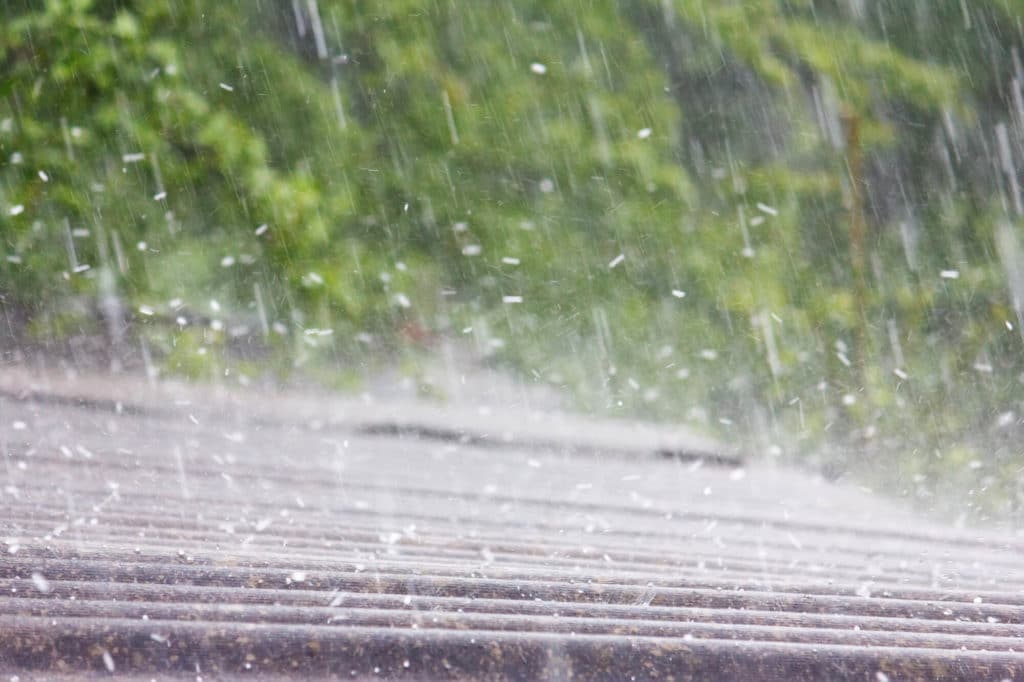
Severe weather conditions in Greensboro, NC, and New Orleans, LA, eventually wear down even strong roofs. Proper maintenance avoids expensive repairs.
Temperature Fluctuations
Roofing materials also expand and contract when temperatures change, causing cracks and compromised seals. Seasonal inspections help identify weather-related wear.
Hail and Wind Damage
Hail can dent shingles, while strong winds may loosen or remove them. Post-storm inspections ensure prompt repairs to prevent further issues.
Ice Dam Formation
The roof’s edge may become wet due to condensation from snowmelt in colder regions of the house. Adequate ventilation through insulation also helps to reduce the risk of ice dams.
Simple Roof Inspection Tips
Regular roof inspections help protect homes and businesses, especially in New Orleans, where severe weather can cause damage. Early detection prevents costly repairs.
-
Ground-Level Checks
Using binoculars, homeowners can inspect their roofs for visible damage, such as missing shingles or sagging areas. Any abnormalities warrant professional evaluation.
-
Examine the Attic for Moisture
Maintenance of inspection records and roof condition enables experts to accurately determine problems and monitor deterioration over time.
-
Documenting Findings
Maintaining inspection records and roofing conditions allows professionals to accurately estimate problems and monitor degradation over time.
Questions to Ask a Roofing Contractor
When installing, fixing, or replacing a roof, the right questions to ask protect your home or business. Checking credentials and reading warranties prevent expensive mistakes.
Licenses and Insurance
In severe weather areas like New Orleans, catching issues early can cut repair costs in half and add up to 15 years to a roof’s lifespan. Neglect leads to leaks, mildew, and structural damage. Regular energy audits help reduce heating and cooling expenses.
Detailed Estimates
Request itemized estimates covering labor, materials, and timelines to avoid unexpected costs.
Warranty Information
Ask about warranty coverage for materials and labor, including potential repairs. Check if contractors are manufacturer-certified, as this may extend coverage. Comparing warranties allows you to make the best decision.
Understanding Roofing Warranties: What Homeowners Need to Know
Not all warranties are the same. Some cover materials, others cover labor, and a few cover both. Manufacturer-certified contractors often offer extended protection, especially for leak-prone areas like flashing.
TurnKey Roofing Contractors helps homeowners choose the right warranty for lasting peace of mind. Contact us today to protect your investment! Let’s walk you through your options and find the coverage that fits your home best. Peace of mind starts with a solid roof—and we’re ready to help.