Turnkey Roofing Contractors
  Aug 20, 2026
Roof Repair vs. Roof Replacement: What’s the Best Option
Read More


Residential License # 890459
Commercial License # 3667


Before installing solar panels, check your roof’s age and remaining lifespan against the panel warranty, which usually runs 20 to 25 years. If your roof has less life left than the panels, replace the roof first. Skipping this step means paying to remove and reinstall the panels later, on top of the original roof replacement cost.
Solar panels roof decisions start with the roof itself, not the panels. Homeowners across New Orleans and the surrounding parishes are asking whether their current roof can handle a solar array, and it’s a fair question. A panel system installed on a roof that’s near the end of its life creates a costly problem a few years down the road.
This guide walks through what actually matters when you’re weighing solar against your roof’s condition. It’s not about which solar company to hire or which panel brand performs best in Louisiana humidity. It’s about the roof underneath, because that’s the part that has to last as long or longer than the system sitting on top of it.
TurnKey Roofing Contractors doesn’t install solar panels. What we do is make sure the roof beneath a future system is sound, properly inspected, and ready to carry the extra weight and hardware for two decades or more. If you’re planning solar, the roof conversation should happen first, before you sign anything with a solar installer.
Start on the homepage to see the roofing services relevant to a solar-ready roof, or read on for the specific questions worth answering before panels go up.
A roof under 10 years old with a full lifespan ahead is usually fine for solar, but a roof past the 15-year mark often needs a closer look before panels go on. Most solar panel systems carry manufacturer warranties of 20 to 25 years. If your roof won’t outlast that warranty, you’re setting up a situation where the panels will need to come off, get stored, and go back on after a new roof goes in.
That removal and reinstallation isn’t free. Solar installers typically charge separately for it, and the timeline adds weeks to a project that could have been simpler.
Asphalt shingle roofs typically last 20 to 25 years. A roof already at 12 or 15 years old is closer to the finish line than most homeowners realize.
Standard residential solar arrays add roughly 3 to 4 pounds per square foot, which most roofs built to current code can handle, but older or already-stressed roofs deserve a professional look before installation. Weight alone rarely collapses a roof. The bigger concern is a roof that’s already compromised by rot, water damage, or sagging decking.
A roof that shows soft spots, visible sagging, or previous leak damage isn’t a good candidate for added weight until those issues get fixed. Panels sitting on a weakened structure can accelerate existing problems instead of just adding load. This is a decking and framing question as much as it’s a roofing-material question.
If you’re unsure whether your roof can take the added weight, a professional roof inspection answers that question directly, with a look at the decking, framing, and current material condition.
Ready to find out where your roof stands before a solar company shows up with a proposal? Contact TurnKey Roofing Contractors for a free estimate and honest read on your roof’s condition.
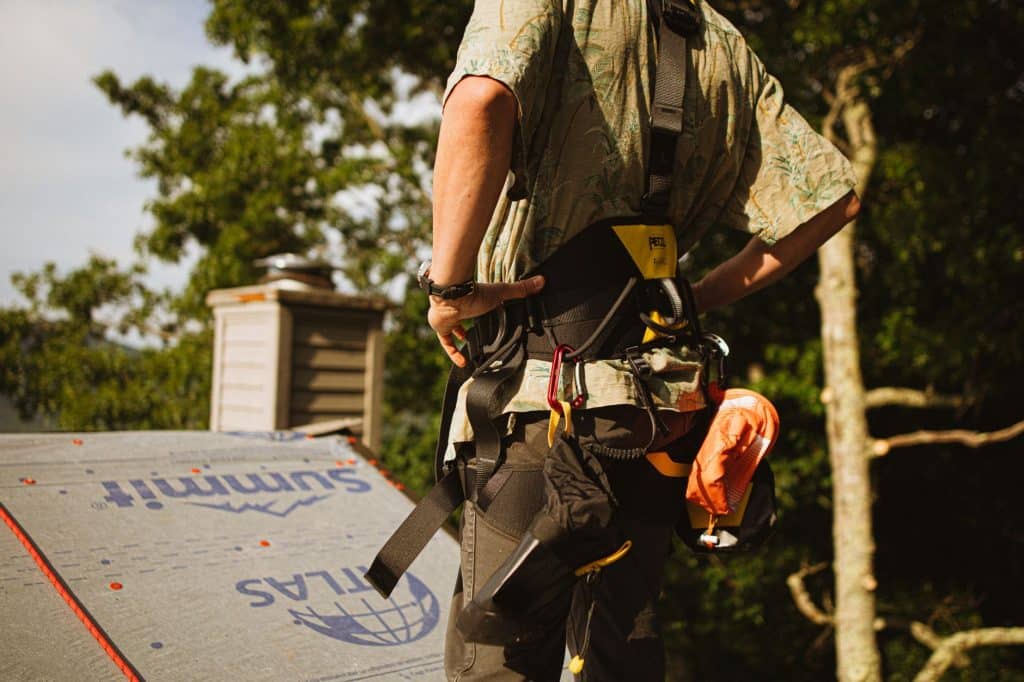
In almost every case, replacing an aging roof before solar installation costs less overall than replacing it after panels are already mounted. Removing and reinstalling a solar array to accommodate a mid-warranty roof replacement typically costs several thousand dollars on top of the roof job itself.
Doing the roof first also means the new roofing material carries its own warranty for the full stretch the panels will be in place.
A full roof replacement timed ahead of a solar installation is the more predictable path. It lets the roofing contractor and the solar installer coordinate mounting points on fresh material instead of working around existing wear.
Asphalt shingles and standing seam metal are the two most common roofing materials for solar installations, since both offer straightforward, well-tested mounting methods. Standing seam metal roofs have an advantage because some mounting systems clamp onto the seams without any new penetrations through the roofing material.
Asphalt shingle roofs need flashed penetration points at each mount, which is standard practice but does mean holes in the roofing surface at every anchor location. Those points need proper flashing and sealing to stay leak-free for the life of the system.
Tile roofing can also support solar, though mounting typically requires special brackets designed to work around the tile profile without cracking it. Whatever the material, the mounting plan should be part of the roofing conversation before installation day, not an afterthought.
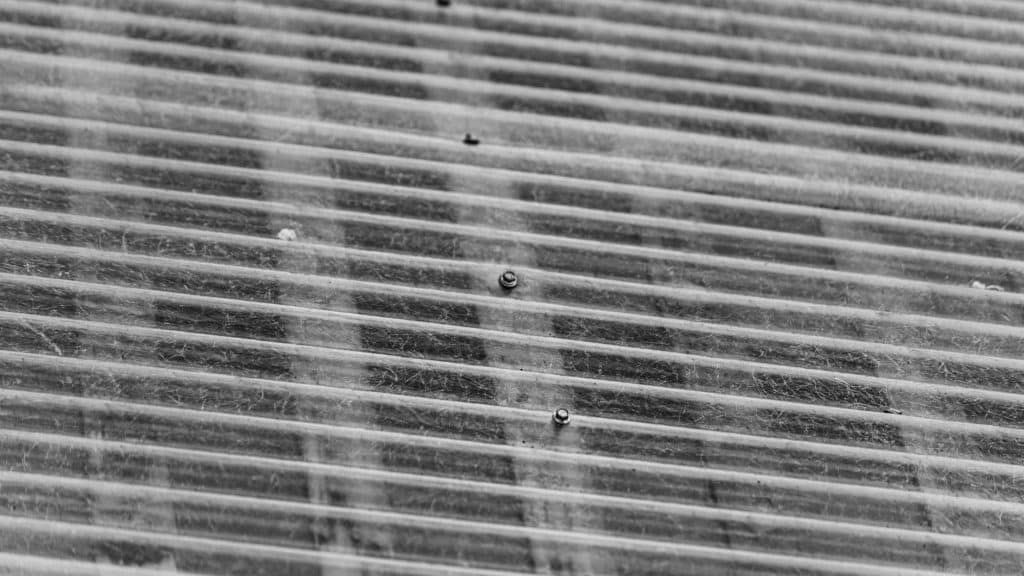
A pre-solar roof inspection checks the decking for soft spots, evaluates the remaining life of the roofing material, and identifies any existing leaks or flashing issues that need fixing first. This is the same inspection process used before any major roof project, applied specifically with solar mounting in mind.
The inspector looks at attic ventilation too, since solar panels can affect airflow patterns on the roof surface. A roof with poor ventilation already struggling with heat buildup shouldn’t have that problem compounded by an array covering part of the surface.
Getting this inspection done before you sign a solar contract puts you in a stronger position. You’ll know exactly what condition your roof is in, which means no surprises once the solar installer’s crew is standing on your roof with equipment.
Roof penetrations from solar mounting hardware can affect manufacturer warranties if they aren’t installed and flashed correctly, so it matters who does the roofing work and how the mounts get sealed. Most roofing material warranties require proper installation practices to stay valid, and that includes any modifications made after the original install.
This is another reason the roof-first approach makes sense. A roof installed with solar mounting in mind, using compatible flashing details from the start, holds up better than one retrofitted after the fact.
A roof nearing the end of its warranty period, or one with unclear warranty documentation, is worth reviewing before solar hardware goes on. Once the panels are up, checking flashing details underneath them gets a lot harder.
Solar panels roof planning comes down to sequencing. Get the roof evaluated, decide whether replacement makes sense first, and only then move forward with panel installation. TurnKey Roofing Contractors handles the roof-readiness side of that process, from inspections through full replacement, so the roof underneath your future solar system is built to last as long as the panels sitting on it.
For more on related roofing decisions, see The Cost of a Roof Replacement in 2025, Top Signs Your Roof Needs Immediate Repair, How Often Should You Inspect Your Roof?, and What Are the Most Durable Roofing Materials Available?.
Not always, but if your roof is more than 15 years into a typical 20 to 25 year asphalt shingle lifespan, a roof inspection should happen before solar installation. This helps avoid removing panels later for a roof replacement.
Most residential roofs built to current code can support the added 3 to 4 pounds per square foot that standard solar arrays add. A professional roof inspection confirms whether your specific decking and framing can handle it.
No, TurnKey Roofing Contractors focuses on roof inspection, repair, and replacement to prepare a roof for solar installation. We coordinate the roofing side so your roof is ready before a solar installer begins work.
Asphalt shingles and standing seam metal roofing are the most common choices, each with established mounting methods. Standing seam metal can sometimes avoid new roof penetrations entirely by clamping onto the existing seams.
Improperly installed mounting hardware can affect a manufacturer warranty if penetrations aren’t flashed correctly. Having your roofing contractor review mounting plans before installation helps keep the warranty, including options like our 50-Year Non Pro-rated Warranty, intact.
A typical roof inspection takes about an hour for most residential roofs, covering the decking, flashing, ventilation, and overall material condition. TurnKey Roofing Contractors offers free estimates alongside these inspections.
Before your solar installer sets foot on your roof, find out if it’s ready to carry the system for the next 20-plus years. Free estimates, honest answers, no pressure.
Contact TurnKey Roofing Contractors or call 504-688-7397 today.