
 Turnkey Roofing Contractors
  Sep 26, 2025
Top Roofing Trends to Watch in 2025
Read More


Residential License # 890459
Commercial License # 3667

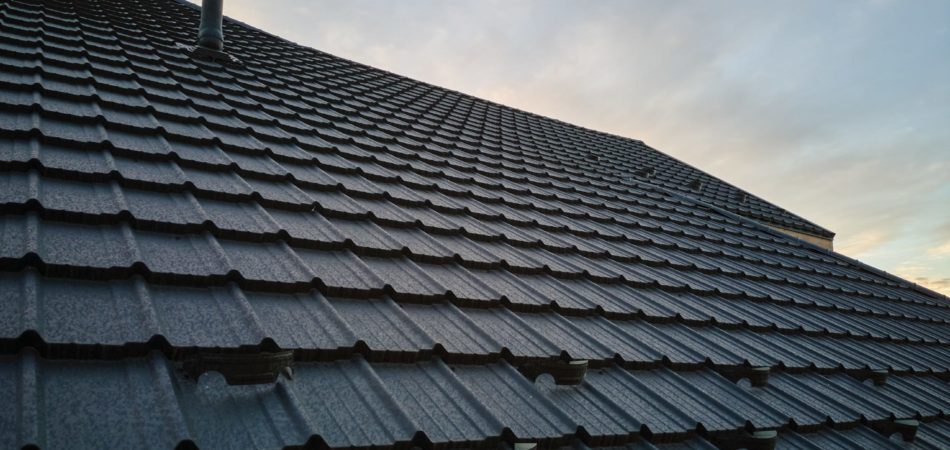
Choosing the right roofing for your local climate is key to long-lasting, energy-efficient results. Roofs face a range of challenges—from heavy storms and rain to intense heat and UV exposure—so selecting the right material makes a real difference. The right roof not only protects your home but also saves you time and money in the long run.
At TurnKey Roofing Contractors, we create custom solutions using high-quality materials and expert installation to keep your home or office safe and comfortable. Contact us today and let us guide you to the roofing solution that’s perfect for your home, your budget, and your peace of mind.

When choosing a roofing material, consider how the local climate affects its performance. Extreme heat, precipitation, and UV exposure all impact a roof’s durability.
Seasonal temperature swings can cause roofing materials to expand and contract. Asphalt shingles may become brittle under extreme heat or cold, while metal roofs stay pliable and durable, making them ideal in regions with sharp seasonal changes.
Rain, snow, and ice present unique challenges. In rainy areas, water-resistant options like slate or metal prevent leaks and mold. In snowy climates, roofs must handle heavy loads and stop ice dams—metal and composites often perform best here.
In sunny regions, UV rays cause fading, cracking, and premature wear. Heat-reflective materials such as cool metal roofs or clay tiles reduce indoor cooling costs and extend roof life. Elastomeric coatings can also add an extra layer of UV protection.
Choosing the right roofing material can extend your roof’s lifespan, improve energy efficiency, and protect your home from rain and sun. Different materials perform better under different climate conditions.
Cost-effective and versatile, asphalt shingles work well in mild climates with rain and wind. They last 15–30 years and are easy to install and repair. However, they can warp in extreme heat and aren’t ideal for severe weather.
Metal roofs excel in harsh conditions like high winds, heavy snow, and fluctuating temperatures. Reflective properties keep homes cool in hot climates. Though initially expensive, they can last 40–70 years with minimal maintenance, making them ideal for hurricane-prone or rainy areas.
Perfect for hot, dry climates, clay and concrete tiles withstand heat and strong winds, are fire-resistant, and durable. They’re heavy and fragile against hail, requiring reinforced structures. Costs are higher, but their durability and aesthetic appeal make them worth it in sunny regions.
Slate roofs can last over a century with proper care. Ideal for wet, snowy areas, they resist water and fire while offering a classic look. They’re heavy and require professional installation and sturdy support, which adds to the cost.
Lightweight and flexible, synthetic composites mimic wood or slate but resist cracking, warping, and fading. They’re easy to install, withstand extreme weather, and are often made from recycled materials, balancing performance and eco-friendliness.
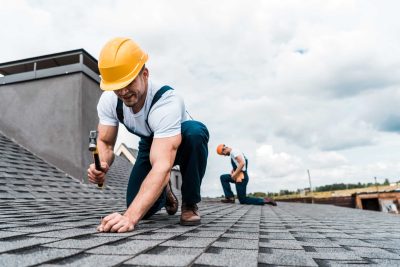
When choosing a roofing material, it’s important to look beyond how it looks or its initial price. Think about long-term costs, energy savings, and how the material performs in your local climate; these factors can make a big difference over time. Planning can save you money, time, and stress down the road.
While the initial material cost is important, maintenance over the years can add up. For example, cedar shake requires annual treatments costing $200–$500, while asphalt shingles need inspections every 5–7 years. Metal roofs, on the other hand, typically need the least maintenance. Regular inspections help catch small problems early, preventing costly repairs later.
Roofing can also impact your energy bills. Energy-efficient materials, like reflective metal or cool roof coatings, reduce heat absorption and keep your home cooler in hot climates. Dark asphalt shingles can get extremely hot, sometimes above 180°F, forcing your air conditioner to work harder. Choosing the right material for your climate can lower cooling costs and make your home more comfortable year-round.
A solid warranty is more than just a piece of paper; it’s protection for your home. High-quality materials like metal or slate often come with 30–50 year warranties for defects or wear. Just be sure to read the fine print, as some warranties cover only the material, not labor. This coverage can be especially important in areas prone to severe weather.
A proper roof protects your home or business through every season, handling heat, storms, and everything in between. At TurnKey Roofing Contractors, we can help you choose the right materials and provide expert guidance on installation and upkeep. Taking a little time now to inspect your roof can prevent headaches and costly repairs down the line.
We’re here to make the process simple and stress-free, so you can feel confident your home is well-protected. Contact us today and let us help you ensure your roof is strong, reliable, and ready for any weather.


