

 Turnkey Roofing Contractors
  Nov 12, 2025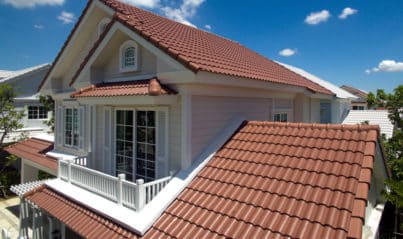
Roof Repair vs. Roof Replacement: What’s the Best Option
Read More


Residential License # 890459
Commercial License # 3667

The shade you select will be greatly influenced by the exterior color of your home, palette, architectural style, and climatic conditions. Light colors reflect heat and are hence preferred for hot areas.
Dark colors absorb heat and are best for cold spots. Trade-offs between aesthetics and function would solve your roof’s appearance and performance with the seasons. For better choices, contact us at TurnKey Roofing Contractors.
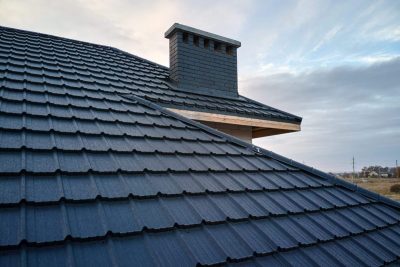
Choosing a roof color does not revolve only around aesthetics. Your choice in roof color has ramifications regarding energy efficiency, curb appeal, and the value of the home. Several factors guide your choices—from design aesthetic to weather.
Color your roof to follow the architectural style of your home. Classic colors like slate grey or deep brown work for traditional houses, while modern design might be enhanced with bolder colors like black or metallic. Mediterranean design fits terracotta or warm tones well.
Think about the exterior colors of your house. Warm greys or dark browns suit tan bricks, while white stucco allows for bold contrasts. Coordination of colors enhances curb appeal and property value.
Dark roofs absorb heat and raise cooling costs for warmer climates. Wearing lighter shades reflects sunlight and improves energy efficiency. In mixed climates, settle on a neutral tone that balances beauty and function.
Different materials reveal color differently. Matte finish gives a smooth look, while a glossy finish gives a rich color. Metal roofing is available in every hue and finish for every style.
Consider the feel of the surrounding neighborhood. Harmonizing with the nearby homes provides a uniform look; however, contrasting colors can pull down the market value of your home.
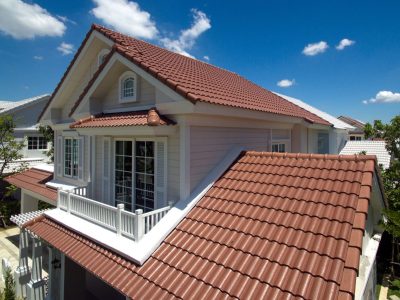
This requires consideration. Practical concerns such as energy efficiency, visual attractiveness, and functional upkeep are pertinent to the decision.
Roof color affects energy consumption within the house. Light-coloured shingles reflect heat, making them the material of choice in scorching climates, reducing attic temperature by 20 to 40 degrees Fahrenheit, and, therefore, cooling expenses.
Dark roofs, in contrast, absorb heat and are, hence, advantageous in cooler environments and can assist in maintaining warmth during winter months in homes that are poorly insulated. In regions with variable weather, such as New Orleans, the insulating and ventilating properties will counterbalance the effects of both light and dark shingles.
The roof color does wonders for the overall appeal of your house. Dark roofs appeal strongly, complementing either a traditional or contemporary character, while masking dirt. Light roofs give an impression of space, which is especially important when the site is small, and they work well with light neutrals or pastels. Urban settings are dark with the skyline, while lighter ones can shine in nature.
Maintenance is probably the most overlooked aspect. The dark shade might fade, develop awkward colorations under the persistent assault from the sun, while light shades will stain from algae or dirt during the humid season. Both need to be cleaned and inspected regularly, suggesting that darker roofs are much easier to maintain in stormy or humid established areas.
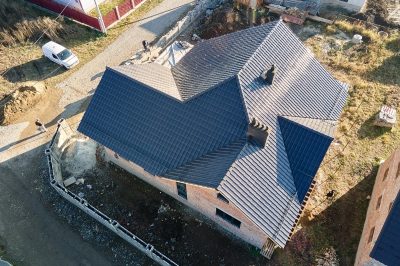
Such materials respond differently to light, weather, and design, all capable of changing the look of your roof.
Asphalt shingles may have flexibility in color and absorb a lot of light, and actually mute a look that goes beautifully with neutral tones. Dark brown or warm grey shingles suit tan brick homes, while grey brick homes pair well with black or medium grey shingles.
They can also play tricks on the eye, depending on color, pretending to be more expensive materials like slate and wood, and reflecting or absorbing heat. Light shingles keep homes cooler while dark ones keep them warm, and this goes a long way in the case of economy.
Metal roofs have a reflective finish that enhances colors like reds and greens, fitting well with modern designs. On the other hand, muted tones like copper or slate grey would benefit traditional homes. They reflect heat in warm climates, making them energy efficient, and are expected to last more than 50 years, thus making a wise investment.
Clay and concrete tiles exude natural tones like terracotta and beige that blend easily with the landscape, especially in hot climates, thus giving much-needed attention to the ambiance. Deep reds or oranges pop against white stucco. Concrete tile gives you more color options and durability, but it can be heavy and require good support.
Slate tiles are among the royal choices known to marry beauty with durability and come in an array of colors such as greys, greens, and reds. They shine the spotlight on the roof’s character and blend well with light-colored houses; the density of the slate ensures that the bright colors last, although perhaps not within everyone’s budget.
Roof color choice enhances your home in terms of curb appeal and energy efficiency. Factors to put in place are climate, architectural style, and the way materials affect color. Light colors reflect heat, while dark colors impart richness.
Once you have canvassed all samples and light effects at leisure, consult your roof consultant. A good color has the possibility of keeping you company for years to come. Reach out to us at TurnKey Roofing Contractors for assistance on getting the ideal color for your home.


