
 Turnkey Roofing Contractors
  Aug 26, 2025
How to Choose the Perfect Roof Color for Your Home
Read More


Residential License # 890459
Commercial License # 3667

These fungi thrive in damp, shaded spaces and can be damaging if not addressed, leading to weakening of the shingles and leaks. We can safely eradicate them, install long-lasting protective coatings, and even improve roof ventilation to minimize regrowth.
By solving the issue at its root, homeowners can continue to enjoy the beauty and integrity of their roof for years. For more details on how to eliminate moss and algae from your roof, reach out to us at Turnkey Roofing Contractors.
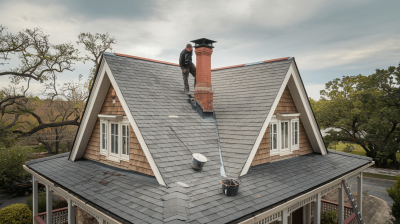
Moss, algae, and lichen not only look bad; they’re also harmful to your roof. These green intruders love damp, shady spots, particularly in states in the south where it’s humid. Left untreated, they can break down shingles, result in water spots, and produce wood rot. Understanding each growth is the secret to controlling them.
Moss is readily recognized by its soft, green, velvety appearance. It grows in cold, wet places and creates water-retentive patches that can damage shingles. Treat moss with an oxygen bleach cleaner or a 50/50 solution of water and bleach. Brush it off with a soft-bristled brush, but don’t scrape or use high-pressure washing, which can harm shingles.
To prevent moss from returning, consider adding zinc or copper strips under the top row of shingles. Rainwater carries the metals down the roof, creating a barrier against growth. Regular roof check-ups and cleaning are also essential to keep your roof healthy.
Algae may look like mold with its black stains or streaks. Less destructive than moss, algae, though, can impact the appearance of your roof and decrease energy efficiency. Bleach solution in water will destroy algae, but prevention is the best. Adding zinc or copper strips and maintaining clear gutters may discourage algae growth.
Lichen is a fungus-algae combination that creates a durable, crusty roof surface layer that is challenging to take off. It stains the surface, which makes it difficult to get rid of. It is best to use a cleaning agent suitable for application on the roof and perform periodic maintenance to avoid regrowth.
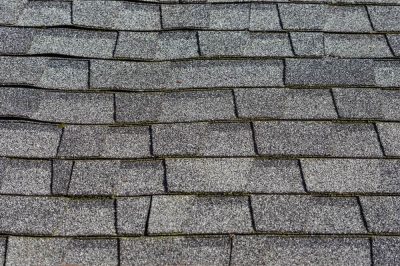
Moss and algae can look innocent enough on your roof, but they’re highly damaging. If allowed to go unchecked, they compromise the integrity of your roof, necessitating expensive repairs and sick life expectancy. In humid climates, algae form black streaks within three years, while moss prefers damp, shaded locations, where it holds water and speeds up degradation.
Moss growth is most frequently initially observed as lifted shingles. It forces shingles upward, opening up gaps that enable rain to enter, exposing underlayment to water and rot. It is particularly detrimental for asphalt shingles, in which the moss can form thick mats that force out whole sections.
Moss is a water-absorbing material that resembles a sponge and fills roof materials with water days following the storm. This promotes leaks and mold. Algae also worsens the condition by producing a slippery material that inhibits drainage, and moisture seeps into your attic, rotting rafters, and weakening beams.
Moss and algae will also dislodge granules from asphalt shingles. Granules protect against UV sun rays and the weather. As the moss begins to grow, the moss roots interfere with the surface, which creates loosening of the granules and exposes shingles to sun damage that causes cracking and blistering.
Without arrest, shingle lifting, water penetration, and loss of granules can lead to structural degradation. Moss and algae gradually rot out the decking and substructure of the roof, leading to costly repair or replacement, particularly a hazard in older residences and buildings that are not being maintained.
Moss and algae on your roof are not only unsightly, but they also have the potential to break down your roof’s structural integrity over time. Dealing with these problems early and correctly is the key to sustaining your roof’s longevity and appearance.
Understanding what you’re dealing with is the beginning. Moss is a spongy, green plant that enjoys living in damp environments, and algae tend to show up as black streaks on roofs. Understanding what’s what helps guide the correct treatment. Check your roof for damaged spots – shaded spots where water collects. These situations tend to foster moss and algae. Make sure you check in gutters and downspouts for signs of buildup.
Depending on how severe it is, you have some options. For small moss, a soft-bristle brush or a putty knife scraping is ideal. Persistent moss may need mossicides; however, these can only be used with caution to prevent harming surrounding plants and aquatic environments.
For long-term prevention, algae-resistant shingles or installing zinc or copper strips along the roof ridge are effective solutions. These metals release ions that stop growth without damaging your roof.
Pre-clean by blowing away detritus such as leaves and branches. Landscaping and plants below should be covered to prevent runoff from harming them. Safety always—have a good ladder and wear the right shoes to keep away from slipping. For commercial properties, schedule the job to be done in off-peak times to prevent any disturbances.
For moss, scrub lightly using a mixture of cleaning solution and water. Use no harsh chemicals unless unavoidable. Algae discoloration can be easily removed using water and a low-pressure wash. Don’t agree to high-pressure washes, which ruin shingles and destroy the roof’s lifespan.
Wash with clean water in detail. For resistance to growth, repeat or hire a professional. Routine maintenance is needed to prevent regrowth.
Moss and algae may not seem harmful, but they can slowly kill your roof and shorten its life. Proper drainage, regular cleaning, and the use of resistant materials can go a long way in keeping them away.
Trimming gutters and trees is highly effective for smaller issues. For bigger problems, professional treatment and inspections can repair damage without harming your roof.
A healthy roof doesn’t just protect your home but also boosts your mood! If you’re struggling with moss or algae, or just don’t want to have them, call us at Turnkey Roofing Contractors! We’ll have your roof looking like new and lasting longer!


