
 Turnkey Roofing Contractors
  Sep 12, 2025
Roof Replacement Mythbusters: Does Layering Save Money?
Read More


Residential License # 890459
Commercial License # 3667


The decision between roof coating and roof replacement is based on several factors, including the roof’s condition, budget, and long-term goals. Each offers unique advantages in various situations, ranging from simple repairs to severe damage.
Understanding the differences between roof coating and roof replacement from TurnKey Roofing Contractors will help you find the best solution for your property. Let us walk you through your options so you can make a confident choice. Connect with our team today, and we’d be glad to help keep your roof strong and reliable for years to come.
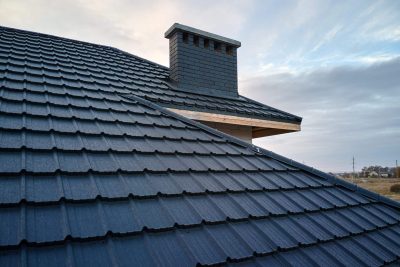
Roof coating and roof replacement are not the same. There are advantages and disadvantages to each option. The choice between roof coating and roof replacement will often depend on your roof’s condition, plans, and budget.
Along with adding years of roofing life by sealing tiny cracks and roof leaks, roof coatings can offer a reflective surfacing that can help decrease cooling costs. Roof coatings, like a shield, are an excellent choice for roofs that are maintaining soundness but require more endurance.
Roof replacements, conversely, address serious age or damage by removing and installing a totally new system, bringing the satisfaction of knowing it is structurally sound and meets current building codes.
Roof coatings are almost exclusively made of elastomeric, silicone, or acrylic materials, as they are more flexible and offer more resistance to environmental elements. They are applied directly onto the base and therefore must have compatibility.
With a roof replacement, the additional materials like asphalt shingles, metal panels, or synthetic membrane, and ultimately the type of material selected, depend on the climate and roof geometry. Replacements have more custom options but have a more expensive upfront cost.
It’s easier and faster, requiring less tear-off; usually less than 25% of the roof.
With replacements, there would be a complete tear-off, check decking, and replacement with a completely new system. This procedure is labor-intensive and can disrupt everyday life for a few days or weeks.
Coatings are time-efficient – many coating projects can be accomplished in days with significantly less downtime, although curing is dependent on the weather. Coating and replacement timelines differ, as coating jobs typically only take a few days, while replacement can take weeks for larger jobs.
Roof coatings are an alternative to roof replacement that can be especially appealing to property owners who want to prolong the life of their current roof but don’t want to incur the cost and hassle of a complete replacement. As great as coatings are, they’re not without their limits.
Coatings are a great investment in energy efficiency. With the ability to reflect UV rays and reduce heat absorption, coatings can reduce cooling costs, and that too considerably, especially in hot climates.
Bonus? As opposed to replacements, coatings curb waste because they don’t require tear-offs that clog landfills. This makes coatings great for green homeowners and businesses.
Compatibility is another selling feature. Coatings work well on flat, metal, and some low-slope systems. They are an uninterrupted, water-impervious shield that stops leaks and protects buildings from water damage, especially valuable in heavy rain areas.
Coatings, despite their benefits, are not a silver bullet. They have a hard time sticking to roofs that are severely damaged or otherwise unprepared substrates.
They also don’t last as long as complete replacements. While some coatings, like silicone, can hold up for as long as 15 years, this still doesn’t compare to the 20–25 year lifespan you can expect from a new roof.
In addition, coatings don’t contribute to a roof’s R-value or improve its aesthetics. Over time, the coating layer can thin out, which may affect performance if regular maintenance isn’t done.
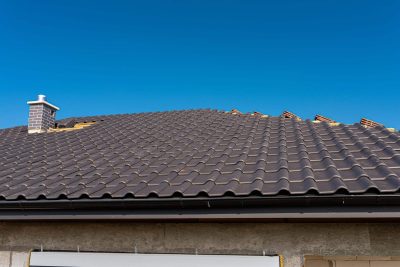
Roof replacement is an all-encompassing fix where the old roof system is taken off and an entirely new one is put on. Although it guarantees durability, it’s more expensive and less eco-friendly, too. So, let’s break down its pros and cons below.
A new roof replacement means a clean slate with a 20-25-year-plus roof. Unlike coatings, which serve as a band-aid, replacements address true structural concerns such as rot, leaks, or sagging.
Modern materials provide another major benefit. Newer materials tend to fall within updated building codes for added safety and compliance, particularly for older properties.
Replacements just don’t require touch-ups all of the time. While coatings need to be reapplied every so often, a brand-new roof system eliminates maintenance headaches for a long time.
Roof replacement is a significant investment, typically two times what a coating project would run. It’s time-consuming to install, requiring days or weeks to complete and potentially interfering with daily life or business.
Another con is the waste. Tearing off old materials contributes to landfills, which is why replacements aren’t very green. For eco-minded homeowners, this is a major strike against it.
Deciding between a roof coating and a full replacement often comes down to the roof’s condition, available budget, and plans. Each option has its place, and understanding what the roof truly needs will make the choice clearer.
If things feel uncertain, our team at TurnKey Roofing Contractors can assess the situation and recommend the most practical solution. Let’s find an option that fits best. Reach out to us today—we’d be glad to help you get started.


