
 Turnkey Roofing Contractors
  Aug 26, 2025
Top Roofing Trends to Watch in 2025
Read More


Residential License # 890459
Commercial License # 3667

Some of the most common roofing problems homeowners complain about include leaks, missing or broken shingles, and inadequate ventilation. These issues can lead to expensive water damage, higher energy bills, or even severe structural damage if left unchecked.
In regions like New Orleans, where regular thunderstorms and record-setting humidity levels are the norm, it’s essential to catch these problems early with Turnkey Roofing Contractors. The following article discusses 10 of the most typical roofing problems and solutions to correct them, and they will help you preserve your house and its worth. If you’re noticing signs of roof trouble, don’t wait—give us a call today. We’ll help keep your roof strong and your home safe.
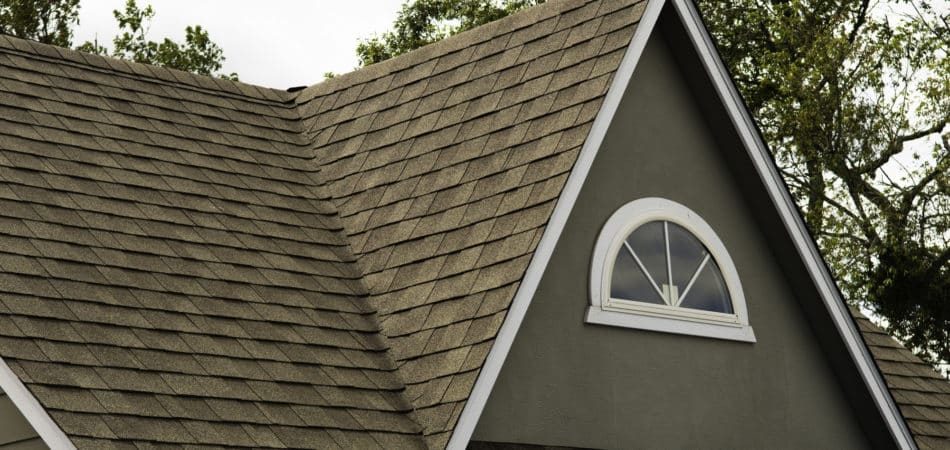
Roofing problems can vary widely, and special areas such as the Greater New Orleans area can take roofing issues to a completely new level because of the dramatic climate change levels and humidity every year. Here are ten roofing issues and realistic solutions to ensure you are receiving the maximum life out of your roof.
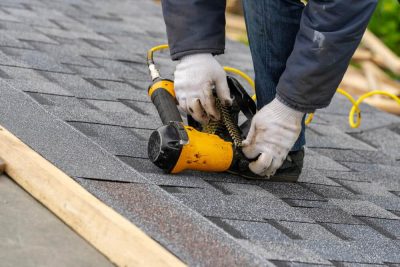
Shingles that are damaged commonly are a result of hail, very strong winds, and/or time. Replacing shingles is not a complicated repair. Remove the broken shingle and lift out the shingles underneath it, being careful not to harm the shingles surrounding those. To fix the broken shingles, you are going to nail in a match shingle you bought with roofing nails to secure it, then you are going to apply roofing adhesive to the sides to fight any additional lifting.
If the damage is extensive, especially if it’s an older roof that’s nearing its 20–30-year projected lifespan, a full replacement may be more economical.
Leaks in roofs are usually due to small, unobserved openings on the roof. Over time, these openings give way for water to penetrate and flow through, resulting in water spots, mold, and structural damage.
Locating where a leak is will be half the fight. Start at the top and look to see if you can find any wet areas, brown discolorations, or mildew smells. After you’ve identified and sealed the leak’s source, you can patch it up with a roof patch kit or roofing tape if the leak is minor.
For larger segments of such rotted wood or gigantic holes, you’ll need to have the damage professionally repaired and upgraded to code. You can also include installing a moisture barrier and regular attic insulation so future leaks stay at bay.
Flashing can be installed improperly, or it can age and crack, and then you have areas of weakness in the flashing to which water will eventually find a way in. To replace leaky flashing, you will have to remove the defective flashing and install new flashing. For older roofs, it might be best to check all the flashing as part of normal maintenance to repair small issues and minimize the risk of developing bigger problems.
Twigs, leaves, mud, and dirt may form dams where water seeks to drain from the roof and push it around and making it puddle and reside on the roof. Sealed in moisture can lead to enormous quantities of rusted flashing, wood decay, and even destroy the foundation of the home.
Ensure, thus, to clean your gutters at least biannually, in spring and autumn. Simply blow out the trash with a garden hose and inspect for free flow. Apply gutter guards, which can be used to keep the gutters from clogging with trash.
Adequate ventilation will help you keep your roof healthy by controlling attic temperatures and attic moisture. When the ventilation is bad, you get winter ice dams, mold, and high energy bills.
To correct ventilation problems, be sure the ridge and soffit vents are working, and the attic fans are on and not obstructed (when used). In older buildings or houses with no ventilation, you may just need to add new ventilation. Always check the vent openings for debris or blockage caused by animal nests.
Mold, algae, and moss not only will cause a roof to darken with time but will also deteriorate the shingles’ strength and can cause water retention. Use a soft-bristled brush, a solution of water, and mild detergent to remove the mold, algae, and moss. After you have removed the mold, algae, and moss, install zinc or copper strips in that section of the peak so that they won’t grow back on the roof.
Hailstones may damage the seal over shingles, and high wind speeds can unseal shingles, whereas tornadoes and hurricanes can carry in debris to pierce the roof.
Regardless of the kind of storm that passes through, follow up with a thorough inspection. Clear away debris carefully. For less severe effects, you might only need to patch or replace individual shingles. In the event of extensive damage, professional repairs or an entirely new roof may be necessary.
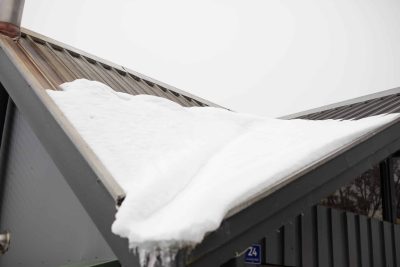
Ice dams may eventually cause structural damage and leaks. Ice dam prevention starts with adequate attic insulation and ventilation. An insulated attic makes the roof cooler so that snow melts uniformly.
A sagging roof is commonly an indication of serious structural problems. It most often signifies damaged joists or undue weight due to the accumulation of debris or water.
Once sagging is visible, seek the help of a professional immediately. Installing new supports to the roof frame or replacing damaged materials will restore the structural integrity of your roof.
Unless inspections and maintenance are done regularly, small problems will become expensive repairs. Simple tasks like gutter cleaning, flashing inspection, and shingle repair on missing shingles can save homeowners hundreds of dollars in the future.
Having a maintenance schedule routine is most important. Have a professional inspect your roof once annually, and address issues as they occur.
Roofing issues may sneak up on you before you know it, but catching them early will benefit you beyond measure. Whether cracked shingles or leaky flashing, there’s a solution for every issue. You can quickly resolve them with a quick DIY patch job or hire a professional specialist to guide you.
Need roof advice from the pros? Call us at Turnkey Roofing Contractors, a professional local roofing contractor with experience on residential roofs in your neighborhood and knowledge of the special problems they encounter.


