Turnkey Roofing Contractors
  Jul 31, 2026
Warning Signs Your Home Needs a Roofing Contractor Immediately
Read More


Residential License # 890459
Commercial License # 3667

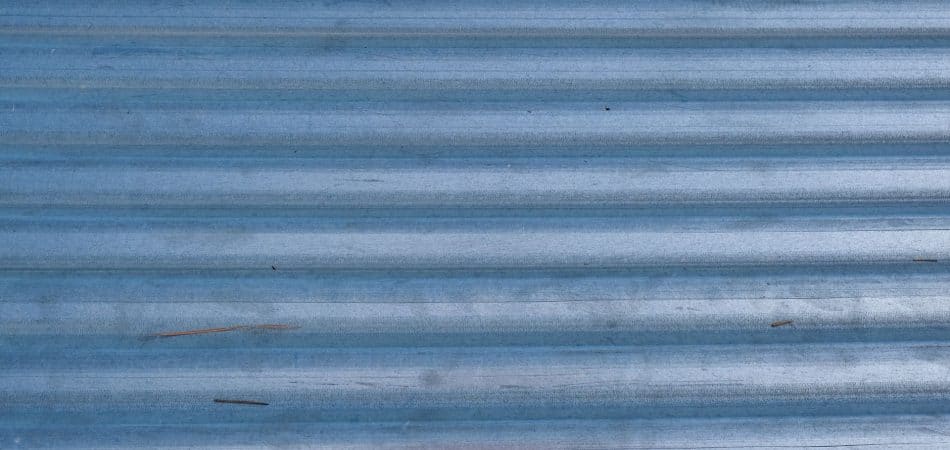
Standing seam metal roofing hides its fasteners under raised, interlocking seams, while exposed-fastener panels are screwed directly through the metal face into the decking below. Standing seam costs more to install but resists wind uplift better and needs far less upkeep over its lifespan. Exposed-fastener panels save money upfront and still work well for outbuildings, garages, and budget-conscious projects where the roof line is not on display.
Anyone comparing metal roofing options eventually asks the same question: standing seam vs exposed fastener metal roof, and which one is worth the price difference. Both use painted steel or aluminum panels, both can last decades, and both show up across Gulf South rooftops. The real difference comes down to how the panels attach to the deck. That single detail changes everything else, from wind performance to how often someone has to climb up and check the screws.
This guide breaks the decision into five factors that matter most: attachment method, wind and weather performance, maintenance, cost, and appearance. TurnKey Roofing Contractors installs both panel types across Greater New Orleans and can help match the right system to a specific roof and budget. Request a free estimate before choosing between the two.
Standing seam panels lock together along raised vertical seams and attach to the deck through hidden clips, so no fastener ever breaks through the panel’s outer surface. Exposed-fastener panels are screwed straight through the metal face into the decking, leaving exposed screw heads that depend on rubber washers to stay watertight.
The clip system is why standing seam handles temperature swings so well. Panels float on clips that let the metal slide slightly as it expands and contracts, so the seams flex instead of fighting the movement. Exposed-fastener panels stay rigidly pinned and depend on a gasket at every screw to keep water out. The residential standing seam roofing page covers the panel profiles used on local installs.
Verdict: Standing seam wins on watertightness because the fastening system stays hidden and mobile, while exposed fastener is simpler but leans on gaskets that need upkeep.

Standing seam roofs generally test 20 to 40 mph higher in wind uplift resistance than exposed-fastener panels. The interlocking seams create a continuous surface with almost no openings for wind to grab. Exposed-fastener systems can still perform well when installed to code, but every screw hole is a spot where sustained gusts can work a fastener loose.
Wind uplift is rated under UL 580, which classifies roofs as Class 30, 60, or 90 based on the pressure they can resist. Standing seam systems are also commonly tested to ASTM E1592 for structural performance under wind load. Louisiana’s storm season puts roofs through repeated cycles of sustained wind and wind-driven rain, sometimes several times in a single year. A concealed-fastener roof that flexes with the seams tends to come through those events with fewer loosened fasteners. Homeowners weighing this decision can also review the guide on preparing a roof for hurricane season in New Orleans for a broader storm-readiness checklist.
Verdict: Standing seam is the stronger performer in high wind thanks to its interlocking seams and tested uplift resistance, while exposed fastener has less margin in extreme gusts.
Exposed-fastener roofs need the rubber gaskets under every screw checked on a regular schedule. Those seals typically last around 20 years, and screws are often replaced every 15 to 20 years. Standing seam roofs have no exposed fasteners to reseal and commonly run 50 years or more with only routine inspections.
Neglecting fastener upkeep on a screw-down roof is one of the more common ways an otherwise sound metal roof starts leaking. Panels expanding and contracting against rigid screws can gradually enlarge the holes, a problem known as hole wallowing. In coastal, salt-heavy air like New Orleans sees, that inspection interval often needs to move up rather than stretch out. Anyone weighing long-term upkeep can compare durability across the most durable roofing materials available locally.
Verdict: Standing seam requires the least ongoing maintenance by a wide margin, while exposed fastener demands a disciplined inspection schedule to hit its full lifespan.

Exposed-fastener panels typically run roughly half the installed cost of standing seam. Steel and aluminum standing seam commonly land between $10 and $22 per square foot, compared to lower material and labor costs for screw-down panels. The gap narrows once resealing and screw replacement are factored into the exposed-fastener side of the ledger over time.
That upfront price gap is the main reason exposed-fastener roofing stays popular for steel buildings, agricultural structures, and detached garages that rarely need the premium finish standing seam offers. For a full picture of what drives pricing locally, the site’s cost of a roof replacement guide breaks down the variables that move a quote up or down. Spreading the higher standing seam cost over 50 years of service, with minimal maintenance along the way, often ends up closer to exposed fastener than the sticker price suggests. A longer warranty term can narrow that gap further, which ties into how roofing warranties can save money over time.
Verdict: Exposed fastener wins on upfront cost, while standing seam narrows the gap over time through lower maintenance and a longer service life.
Standing seam’s clean vertical lines and hidden fasteners give it a higher-end look suited to front-facing homes and commercial buildings where curb appeal matters. Exposed-fastener panels have a more utilitarian, corrugated look that fits sheds, barns, warehouses, and back-of-property structures where budget and function outrank appearance.
Standing seam also handles a wider range of roof pitches, including lower slopes, because raised seams shed water more effectively than a flat screw-down joint. That is one reason it shows up across both residential roofing and commercial buildings with low-slope designs. That flexibility is covered in more detail on the commercial metal roofing page.
Exposed-fastener panels still have a place on plenty of commercial and agricultural buildings, particularly where the roof is rarely seen up close. The priority there is covering a large area affordably. Property owners weighing metal against other roofing categories for a specific building might want to review the site’s metal vs asphalt comparison for New Orleans homes.
Verdict: Standing seam fits visible, higher-end applications and low-slope designs, while exposed fastener fits utility buildings and budget-driven projects where appearance is secondary.
Yes, worn screws and gaskets on an exposed-fastener roof can typically be replaced individually or in a full re-screw pass without removing the panels. This is a routine maintenance task recommended roughly every 15 to 20 years, or sooner in coastal, salt-air environments like Greater New Orleans.
Trim pieces, ridge caps, and some flashing details on a standing seam roof may use fasteners. The field panels themselves attach through concealed clips with no penetrations through the panel face. This is the core feature that separates standing seam from screw-down systems like corrugated or R-panel roofing.
Standing seam performs better in wind uplift testing under UL 580 and needs less long-term maintenance, which suits the storm exposure common to the New Orleans area. Exposed fastener can still be a sound choice for detached structures or budget-limited projects where the roof is not the primary weather barrier for the home.
Standing seam roofs commonly reach 50 years or more of service life with routine inspections and minimal repair work. Exposed-fastener metal roofs generally last 20 to 40 years, largely dependent on how consistently the screws and gaskets are inspected and replaced.
Standing seam requires more specialized panel forming, a clip attachment system, and seaming tools during installation, all of which add labor time compared to a straightforward screw-down install. Steel or aluminum standing seam commonly runs $10 to $22 per square foot installed versus lower per-square-foot pricing for exposed-fastener panels.
Standing seam is generally the better option on low-slope applications because its raised, interlocking seams shed water more reliably than a flat screw-down panel joint. Exposed-fastener panels typically need a steeper minimum slope to perform well over time.
TurnKey Roofing Contractors installs both standing seam and exposed-fastener metal roofing across Greater New Orleans and can help match the right system to your budget, roof pitch, and storm exposure. Contact TurnKey Roofing Contractors for a free estimate or call 504-688-7397 to speak with the team directly.