Turnkey Roofing Contractors
  Nov 13, 2025
10 Most Common Roofing Problems and How to Repair Them
Read More


Residential License # 890459
Commercial License # 3667

Choosing roofing with warranties protects your home from costly repairs and is worth the investment. Warranties help to shield homeowners from unforeseen issues of roof repair during the lifetime of the roof, be it material defects or installation problems. In places such as New Orleans, where the weather likes to toss things around, it can be quite tricky to want to shell out cash from your own pocket.
For this reason, good warranties are extremely important. We’re happy to guide you and answer any questions about your roofing options. Contact us at TurnKey Roofing Contractors today.
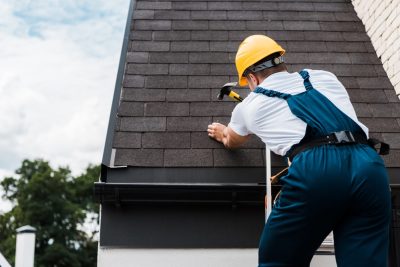
Basically, there are two classes of warranties that every roof will come under: a manufacturer’s warranty or a workmanship warranty. And it is nice to know the difference in terms of going about securing this investment. Understanding these types of warranties may help you save money further down the road and make a wise choice in hiring any contractor.
Manufacturer warranties cover defects in roofing materials, typically lasting 25–30 years or more. Premium metal roofs often come with long-term, non-prorated coverage, while some warranties reduce over time. Choosing a reliable manufacturer ensures quality materials and protection against defects, though installation issues aren’t covered; these warranties help prevent costly material failures.
A workmanship warranty covers faulty installation for 1–10 years. It ensures the contractor fixes issues like leaks or misaligned panels at no extra cost, saving you money. Hiring a licensed, certified contractor usually provides better coverage and peace of mind for quality and accountability.
Roofing warranties are not just documents; they are money-saving fetters holding homeowners and business owners alike to avoid the pricy undertakings of repair, replacement, and maintenance. Regardless of whether they cover materials, labor, or a combination of both, warranties offer a real value-for-money proposition, ensuring long-term performance of a roof system.
No-roofing-related warranted repair costs will vary depending on defects in materials or installation. If defects arise during the warranty period, repairs are generally free for the homeowner. This can save the homeowner thousands.
Some warranties cover the whole repair costs for a limited period, whereas prorated warranties will cover the repair costs to a declining extent in line with the age of the roof.
The warranty protects your roof investment in materials, assuring their proper performance. Manufacturers’ warranties assure clients that the risk of costly replacements due to premature failure of material will be reduced.
Costly roofing replacements can be eased by warranties. Prorated warranties cover part of the replacement expenses as time goes by, while transferable warranties appeal to buyers, thus increasing your property’s value.
Warranties create space for constructive maintenance, thus increasing your roof’s longevity and reducing the chances of leaks or structural damage. They have also been known to push for the selection of high-grade materials, hence leaving roofs in prime condition and saving money in the long run.
Workmanship warranties cover labor costs related to installation errors. This means homeowners won’t face unexpected expenses for fixing installation mistakes, leading to significant savings throughout the roof’s life.
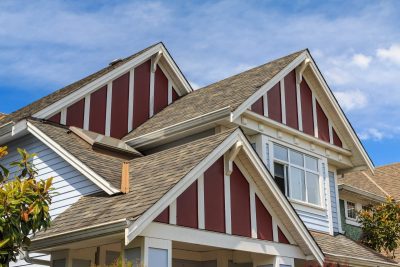
Decoding the warranty fine print helps clear up confusion and avoid liability. Since manufacturers and contractors have different terms, it’s important to read every clause before signing the contract.
Prorated warranties cause diminishing protection with time until lessening completely the liability of the manufacturer as the roof gains age. Usually, materials-only warranties cover material costs by 100% during the first five years and then decrease annually.
For instance, if one needs to replace the roof after 15 years, then a prorated warranty would cover only about 25% of the material cost and thus leave you with an extremely huge bill that you have to pay.
Transferable warranties make homeowners new buyers and enhance property resale value. Buyers appreciate knowing that a warranty is available for their roof. However, transferability is often limited, so sellers must remain under warranty coverage to avoid lower prices during home sales.
Neglect, damage resulting from severe storms, and do-it-yourself repairs may invalidate claims and lead to expensive repairs. For instance, failure to conduct routine inspections could lead to leaks not covered under the warranty. Knowledge of these exclusions will help one avoid surprises in repair costs.
Roofing warranties safeguard your investment and protect against further repair costs, most importantly, providing peace of mind. They cover defects, installation errors, and unexpected damage, saving you from spending a great amount. A good warranty can be as important as a strong roof, letting you take advantage of the value for a long time.
Interested in roofing construction, or have a question regarding roofing warranties? Get in touch with us at TurnKey Roofing Contractors. We’re here to help you make the wisest choices for your home or workplace.