Turnkey Roofing Contractors
  Jul 27, 2026
Commercial Roof Drainage: Internal Drains vs Scuppers for Flat Roofs
Read More


Residential License # 890459
Commercial License # 3667

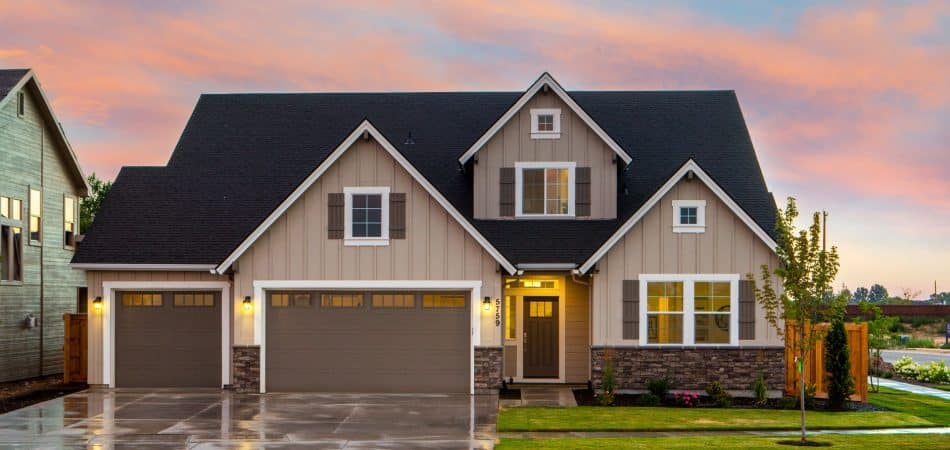
New Orleans humidity, driving rain, Formosan termites, and hurricane-force wind put more stress on exterior siding than almost any other climate in the country. Fiber cement generally holds up best against that combined pressure, vinyl offers a lower-cost option with real trade-offs, and wood demands the most upkeep to survive here. TurnKey Roofing Contractors installs and evaluates all three materials for Gulf Coast homes.
Choosing the best siding for a humid climate means looking past color swatches and price tags. Along the Gulf Coast, siding faces near-constant humidity, driving rain, intense UV exposure, and one of the most aggressive termite species in North America. A product that performs fine in a drier climate can fail here within a decade. Homeowners comparing siding options in New Orleans need to know how each material handles moisture, pests, heat, and wind.
TurnKey Roofing Contractors works with homeowners across the New Orleans area who want siding that survives hurricane season without constant repair calls. Visit our homepage to see our full range of residential and commercial exterior services and talk through which material fits your home.
Before comparing materials, it helps to know what they’re up against. New Orleans combines four stresses rarely found together elsewhere: sustained humidity, wind-driven rain, subterranean termites, and long stretches of direct sun.
Humidity keeps siding damp longer after every storm, giving mold, mildew, and rot more time to take hold in porous materials. Wind-driven rain during tropical storms pushes water sideways into seams, fastener holes, and butt joints never designed for that kind of pressure. UV exposure fades color and breaks down surface coatings over time, and hurricane-force gusts test how well panels are fastened and how much flex a material can take before it cracks loose.
Then there’s the termite pressure, a bigger factor here than in most of the country. Formosan subterranean termites were established in New Orleans by 1966 and are now the most destructive insect species in Louisiana, with regional damage estimates running into the hundreds of millions of dollars a year. Any siding material with exposed wood or wood-based backing gives these colonies a foothold.

Vinyl is the most affordable of the three materials and never rots or feeds termites, but it has real limits here. Standard vinyl siding is typically rated to withstand winds around 110 mph, and a Category 3 hurricane starts at 111 mph. Panels can loosen, crack, or blow off entirely during a strong storm without the right fastening and clearance.
Heat is the other issue. Darker vinyl siding can begin to soften and warp once its surface temperature climbs into the 160 to 165 degree range, easily reached on a south- or west-facing wall during a Louisiana summer. Warped panels create gaps that let water behind the siding. Premium impact-rated vinyl products close some of this gap, but they cost more and still don’t match fiber cement’s rigidity in sustained wind.
Fiber cement is made from a mix of Portland cement, sand, and cellulose fiber, which is why it performs well here. It resists moisture absorption far better than wood, so it doesn’t swell, cup, or rot the way untreated lumber does after repeated soaking. Because it contains no digestible wood fiber, termites get no nutritional value from it. They can travel across the surface to reach wood framing behind it, but they cannot eat through the panel itself.
Fiber cement also holds paint longer than wood because it doesn’t expand and contract with moisture the way solid lumber does, meaning fewer repaint cycles over its life. It carries higher wind resistance than standard vinyl and doesn’t soften in heat, making it a stronger match for hurricane season and Louisiana summers. The trade-off is upfront cost and weight. It’s heavier and pricier to install than vinyl, and it needs sealed cut edges during installation or it loses some moisture resistance.

Wood siding still has fans for its natural look, but it’s the highest-maintenance option here. Moisture is wood’s biggest enemy, and without proper flashing, a drainage gap, and a current coat of paint or stain, rot can set in within a few years of humid Gulf Coast weather. In a drier region, the same siding might go a decade between refinishing jobs.
Termite exposure is the bigger long-term risk. Wood siding is a direct food source for Formosan subterranean termites, and a colony can number in the millions. Rot-resistant species like cedar or redwood help, but they don’t eliminate the risk, and every crack in a paint film opens a way in for moisture and pests. Homeowners who choose wood siding here should plan on inspecting it yearly and repainting or restaining every three to five years, not the five-to-seven-year window that works in drier states.
For most homes here, fiber cement offers the best balance of moisture resistance, termite resistance, and wind performance, which is why it has become the go-to upgrade over vinyl for coastal Louisiana properties. Vinyl remains a reasonable choice for homeowners on a tighter budget who accept a shorter service life and a higher chance of storm damage. Wood should only go on homes where the owner commits to a strict maintenance schedule, since skipping even one repainting cycle can lead to rot and termite entry points fast.
This decision depends on your specific home, exposure, and budget, which is why a site visit matters more than a generic recommendation. Our residential exterior services cover siding evaluation alongside roofing, and our residential siding installation team can walk you through material options for your wall exposures. We also handle commercial siding installation for businesses that need the same protection at a larger scale.
If you’re weighing siding alongside a roof project, our post on choosing the right roofing material for different weather conditions covers the same climate stresses that affect your roof. Our guide on preparing your roof for hurricane season in New Orleans covers wind exposure in more detail, and our article on how a new roof affects your home’s value explains why exterior upgrades like siding tend to pay off at resale. Our post on the benefits of working with local roofing experts in New Orleans explains why local climate knowledge matters as much as the material itself.
Fiber cement siding is the most termite-resistant option because it contains no digestible wood fiber, so Formosan subterranean termites cannot feed on it. Vinyl is also non-food for termites, though gaps behind loose panels can still expose wood trim or framing to pests.
Wood siding in humid Gulf Coast conditions typically needs repainting or restaining every three to five years, compared to five to seven years in drier climates. Skipping a maintenance cycle can let moisture in and lead to rot or termite entry points around New Orleans homes.
Standard vinyl siding is generally rated for winds around 110 mph, which is close to Category 3 hurricane strength, so panels can loosen or blow off in a strong storm. Impact-rated vinyl products built for hurricane zones perform better but still don’t match fiber cement’s wind resistance.
Yes, fiber cement resists moisture absorption far better than wood, so it doesn’t swell, cup, or rot from repeated exposure to New Orleans rain and humidity. It does need properly sealed cut edges during installation to keep that moisture resistance intact over time.
Formosan subterranean termites have been established in New Orleans since 1966 and are considered the most destructive insect species in Louisiana. A single colony can include millions of individuals, and regional termite damage is estimated in the hundreds of millions of dollars annually.
For most New Orleans homes, yes, because fiber cement holds up better to humidity, termites, and hurricane winds over its lifespan, meaning fewer repairs and repaint cycles. Vinyl still makes sense for budget-conscious homeowners who understand the shorter service life and higher storm-damage risk.
New Orleans humidity, termites, and hurricane winds don’t leave much room for the wrong siding choice. TurnKey Roofing Contractors can evaluate your home’s exposure and recommend a material that’s built to last in this climate. Contact us today or call 504-688-7397 to schedule your siding consultation.