Turnkey Roofing Contractors
  Aug 16, 2026
Clay and Concrete Tile Roofing: Weight Load and Structural Requirements
Read More


Residential License # 890459
Commercial License # 3667

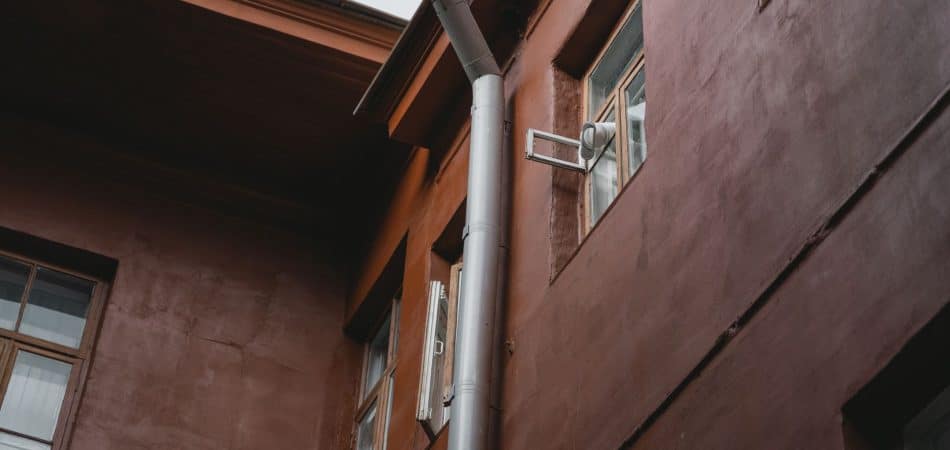
Commercial roof drainage removes rainwater from flat and low-slope roofs before it can pool, add weight, and break down the membrane. The two main systems are internal roof drains, which pull water through pipes inside the building, and scuppers, which push water out through openings in the parapet wall. Many buildings pair either system with tapered insulation to guide water toward the drainage points faster.
Flat and low-slope commercial roofs do not shed water the way a steep residential roof does. Without the right commercial roof drainage plan, water sits on the membrane instead of running off. That standing water, known as ponding, is one of the fastest ways to shorten the life of a flat roof. Property owners in New Orleans deal with this problem more than most, given how often heavy rain hits the region. TurnKey Roofing Contractors works on flat commercial roofs across the area, and drainage design is one of the first things worth checking on any older building.
Choosing between internal drains, scuppers, or a tapered insulation system depends on the building’s roof shape, drain locations, and how much water the roof typically handles. Get it wrong, and even a brand new membrane can develop leaks within a few years. This guide breaks down how each system works and when it makes sense. You can also browse the full list of commercial roofing services TurnKey Roofing offers, or head back to the homepage for an overview of what the crew handles.
Flat and low-slope roofs rely entirely on their drainage system to move water off the surface, since there is little to no natural slope to help gravity do the work. A membrane that sits under standing water for days breaks down faster than one that drains within a few hours. The added weight from ponding water can also stress the roof deck and structural supports. Over time, that stress shows up as sagging, membrane splits, and interior leaks that are hard to trace back to their source.
Ponding water is any water that stays on a roof surface for more than 48 hours after rainfall, and it damages membranes through prolonged UV exposure, freeze-thaw stress, and added weight. Most commercial roof membranes are built to handle brief exposure to rain, not standing pools. Sitting water breaks down seams and adhesives faster than dry areas of the same roof. It also collects debris, dirt, and organic growth, which trap moisture against the membrane surface even longer.
Ponding is rarely caused by one single issue. A roof that was installed without enough slope, a drain that clogs easily, or a low spot that formed as the building settled can all create the same problem. Left alone, ponding areas tend to get worse each year as the membrane stretches and sags a little more under the weight.

Internal roof drains sit at low points on the roof and pull water down through pipes routed inside the building, eventually discharging it into the storm sewer system. They work well on roofs with a large surface area or an interior layout that does not allow water to reach the building’s exterior walls easily. Because the piping runs inside the structure, internal drains stay protected from freezing temperatures better than exterior systems.
The tradeoff is access. Internal drains are harder to inspect and clean because the piping is hidden inside walls or ceilings. A clog deep in the line can cause backups that are not obvious until water starts showing up on an interior ceiling. Routine maintenance matters more with this system than with drains you can see from the ground.
If your building already has clogged or failing internal drains, it is worth having a contractor look at the connected flashing and roof surface at the same time. Our commercial roof repair team checks drain performance as part of every inspection, since a drainage problem often causes the leaks that bring building owners to us in the first place. Contact us to schedule a look at your roof’s current drainage setup, or call 504-688-7397 directly.
Scuppers are rectangular openings built into a parapet wall that let water flow off the roof edge and down through an exterior drain or scupper pipe, rather than routing water inside the building. They tend to be easier to inspect and clear than internal drains because they sit at the roof edge, in plain view. Scuppers work especially well on roofs with parapet walls, since the wall gives water a defined path to exit.
One limitation is that scuppers need to sit at the lowest point of the roof to work correctly. If the surrounding roof area does not slope toward the scupper, water will pond nearby instead of draining through it. Debris buildup at the opening is also a common issue, since leaves and grit collect right where the scupper meets the roof surface.

Tapered insulation is roof insulation cut and installed at a slight slope, so water is guided toward drains or scuppers instead of settling in flat areas. It is often added during a roof replacement or a re-cover project rather than installed on its own. Tapered systems can correct existing low spots on an older roof, which makes them a common fix when ponding keeps returning to the same area no matter how often drains are cleared.
Tapered insulation works with either drainage type. A roof with internal drains can use tapered insulation to guide water to each drain location faster. The same applies to scuppers, where the taper directs flow toward the wall opening instead of letting it collect along the parapet.
The right drainage system depends on the roof’s size, existing slope, parapet wall setup, and how the building was originally designed, which is why a site inspection matters more than a general rule. A large roof with no exterior walls near the drainage area usually needs internal drains. A roof with parapet walls on all sides and a smaller footprint may drain better through scuppers.
Many older commercial buildings in the New Orleans area were built with drainage systems that no longer match how the roof performs today. A drainage review during a routine inspection catches these mismatches before they turn into interior water damage.
For further reading on related commercial roofing decisions, see our posts on roof coatings versus full replacement, TPO vs EPDM vs PVC single-ply roofing, what a roof replacement costs in 2025, and how to choose the right roofing contractor.
Commercial roof drains and scuppers should be checked at least twice a year, plus after any major storm, to catch clogs and membrane wear before they cause interior leaks. Debris, granules from aging membranes, and standing organic matter all reduce drainage performance over time.
Building owners who wait until a leak appears indoors are usually dealing with a drainage issue that started months earlier. A short inspection now costs far less than repairing a damaged deck or interior ceiling later. Free estimates are available if you want a professional opinion before committing to any repair work.
An internal roof drain routes water through pipes inside the building down to the storm sewer, while a scupper is an opening in a parapet wall that lets water flow off the roof edge. Buildings without parapet walls typically rely on internal drains instead.
Water that remains on a commercial roof for more than 48 hours after rainfall is generally considered a ponding problem. Membranes like TPO and EPDM can degrade faster under prolonged standing water compared to areas that drain quickly.
Yes, tapered insulation is often installed during a re-cover or replacement to correct low spots that cause repeat ponding. It works with both internal drains and scuppers by directing water toward the existing drainage points.
Scuppers work best on roofs with parapet walls positioned at the low point of the roof surface. A roof without a parapet wall near the drainage area, or one with a large interior footprint, often needs internal drains instead.
Drains and scuppers should be checked at least twice a year and again after any major storm. TurnKey Roofing includes drainage checks as part of routine commercial roof repair visits in the New Orleans area.
Commercial roofing work, including drainage repairs, falls under Louisiana Commercial License #3667. Always confirm a contractor holds an active commercial license before authorizing drainage or membrane repairs.
TurnKey Roofing Contractors offers free estimates on commercial roof drainage repairs and inspections across the New Orleans area.