Turnkey Roofing Contractors
  Jul 25, 2026
Clay and Concrete Tile Roofing: Weight Load and Structural Requirements
Read More


Residential License # 890459
Commercial License # 3667

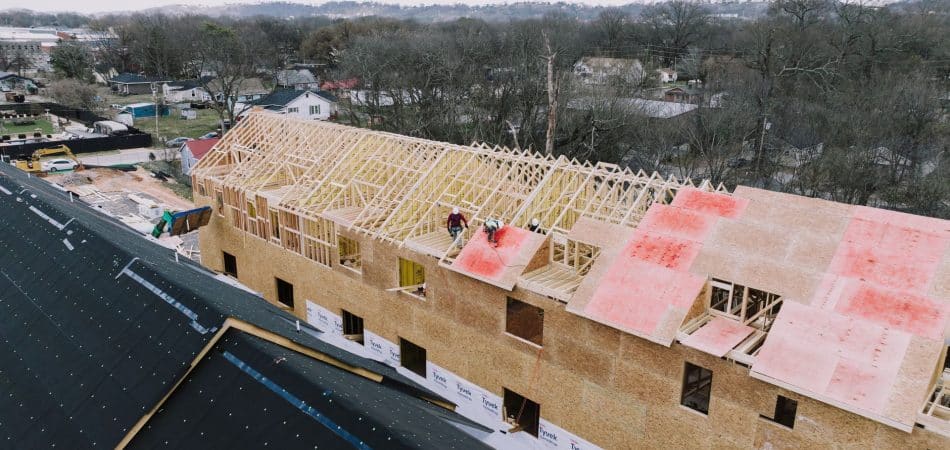
Roof decking is the layer of plywood or OSB nailed to your rafters that shingles are fastened to, and it hides underneath every roof you’ve ever looked at. Most homeowners never know their decking has failed until a crew pulls the old shingles off and finds soft, rotted wood underneath. Knowing the warning signs ahead of time, and understanding how decking replacement changes cost and timeline, helps you plan a roof job without surprises.
When people talk about roof damage, they usually picture missing shingles or a leak stain on the ceiling. Roof decking replacement is a different, less visible problem. The decking is the solid wood layer, typically plywood or oriented strand board, that spans the rafters and gives shingles something to grip. When that layer softens, delaminates, or rots, it has to come out before a new roof goes on, no matter how good the shingles above it looked.
At TurnKey Roofing Contractors, decking issues turn up on a good share of the tear-offs performed across Greater New Orleans. Gulf Coast humidity gives moisture a head start on wood. This guide covers the signs to watch for, what happens once a crew opens the roof, and how decking changes the cost and schedule of the job. If you suspect hidden moisture damage, reach out early to schedule an inspection before small rot turns into a structural problem.
Sagging rooflines, soft spots underfoot, musty attic odors, and dark staining on rafters are the clearest signs that decking has absorbed moisture and started to rot. Some signs show from inside the attic, others only show from the ground or a ladder. Catching them early can limit how many sheets of decking need replacing later.
Inside the attic, look for dark streaks or water stains on the rafters, damp or matted insulation, and a musty smell that lingers even on dry days. Daylight visible through the roof boards is a clear sign the decking has separated or rotted through in that spot. Mold or mildew on the underside of the sheathing usually means moisture has been cycling through that section for a while.
From outside, a wavy or uneven roofline often means the decking underneath has swollen or softened and can no longer hold the shingle plane flat. Shingles that look cupped, curled, or spongy when walked on can point to the same problem. A roofer checking for these signs will often press firmly on the underside of the deck every twelve inches or so. Sound wood feels firm underfoot, while rotted wood feels spongy and gives way.
None of these signs guarantee full decking replacement, but they are good reasons to schedule a roof inspection before committing to a re-roof. For a broader rundown of trouble spots, see TurnKey’s post on the top signs your roof needs immediate repair.

Once shingles and underlayment come off, the crew can see the entire deck surface and identify soft, delaminated, or rotted panels that were hidden from view. Damaged sections get marked, cut out, and replaced sheet by sheet before new underlayment goes down. This step happens before any new shingles are installed, since nailing over compromised decking voids most manufacturer warranties.
Tear-off is the point where a lot of decking problems become visible for the first time, even on roofs that looked fine from the ground. A roofer walks the deck, checks for spongy panels, and looks closely around chimneys, vent pipes, and valleys, since those areas trap water longest. Any section that fails a firm-press test gets pulled and replaced with new plywood or OSB matched to the original thickness.
This is also when the crew checks fastening. Old decking is sometimes attached with nails spaced too far apart, or with nails that missed the rafters entirely. Re-decking lets a crew correct spacing, which matters for wind resistance in a hurricane-prone market like New Orleans.
Because decking damage is not visible until tear-off, a written estimate should spell out a per-sheet rate rather than a vague allowance. That way, if a crew finds three rotted sheets instead of one, there is no confusion about the added cost.
Replacing damaged decking typically adds sixty to one hundred dollars per sheet installed. That can mean a few hundred dollars for isolated spots or a few thousand on a roof with widespread rot. It can also add a day or more to the schedule, since crews need time to source matching material and complete extra fastening. Getting an inspection before the job starts helps set realistic expectations for both.
Most roofing estimates account for one or two sheets of decking as a baseline, since some replacement is common on almost every tear-off. Added sheets beyond that baseline are billed individually, which is why the per-sheet rate matters more than a lump-sum guess.
Material choice plays a role too. Plywood generally resists moisture swelling better than OSB, but OSB is often less expensive and still meets code at the correct thickness. A contractor should be able to explain which material is going into your deck and why, especially in a climate where humidity works against the wood year-round.
Timeline gets affected less by the decking itself and more by discovery. A straightforward tear-off with clean, solid decking moves fast, while scattered rot means extra cutting, fastening, and sometimes a supply run for matching panel thickness. Homeowners who check the cost of a roof replacement ahead of time can budget for this possibility.

Louisiana’s residential building code, based on the International Residential Code, sets minimum requirements for decking thickness, fastener type, and nailing pattern that must be met whenever sheathing is replaced. Codes also govern how shingles attach to a solid deck. Programs like FORTIFIED go further, requiring a sealed roof deck for wind and water resistance beyond the baseline code.
Under the Louisiana residential code, roof decking generally runs 7/16 inch to 5/8 inch thick, fastened with 8d common nails spaced to the panel’s span rating. Shingles must be fastened to a solidly sheathed deck, which is one more reason rotted panels cannot simply be shingled over.
The FORTIFIED Roof standard from the Insurance Institute for Business and Home Safety goes further. It requires a sealed roof deck, where every seam and nail penetration is taped or covered with a qualifying membrane. IBHS research shows sealed decking can cut water intrusion sharply if shingles are later damaged by wind. That level of sealing is only possible during a full tear-off and re-roof, not a repair.
A contractor working under a roof replacement scope should already build code-compliant decking repair into the process. This matters most during storm season, since a compromised deck undermines wind resistance no matter how new the shingles look. TurnKey’s posts on how to prepare your roof for hurricane season and the best time of year to replace your roof cover related timing questions.
You usually cannot tell from shingles alone. A roof inspection that checks the attic for stains and daylight, combined with a firm-press test on the deck, gives the best read before tear-off confirms the full picture.
Contractors can generally switch between OSB and plywood as long as the new panel meets the thickness and span rating required for your rafter spacing under the Louisiana residential code. Many homeowners in humid areas choose plywood for its better resistance to moisture swelling.
Coverage depends on the cause. Storm-related decking damage is often covered, while decking that rotted from long-term neglect or an old, unaddressed leak typically is not. Your insurance adjuster and roofing contractor should document the cause before claims are filed.
Most jobs replace one or two sheets as a baseline, but the actual count depends on the roof’s age, ventilation, and history of leaks. A roof with a documented leak near a valley or chimney often needs more.
A sealed deck is not required by the baseline residential code, but it is a core requirement of the FORTIFIED Roof standard from the Insurance Institute for Business and Home Safety, which some Louisiana insurers recognize for premium credits.
It can, especially if a crew finds more damage than the initial estimate accounted for. Sourcing matching panel thickness and completing extra fastening typically adds a day or more to a straightforward roof replacement timeline.
Hidden decking damage is one of the most common surprises in a roof replacement, but it does not have to be one for you. The team at TurnKey Roofing Contractors checks decking condition as part of every inspection and re-roof, so you know what you are working with before the job starts.
Contact TurnKey Roofing Contractors through the contact page or call 504-688-7397 to schedule an inspection and get a straight answer on your roof’s decking condition.